

South African News
South African Farm Machinery Sales Ease as Producers Delay Investment Decisions
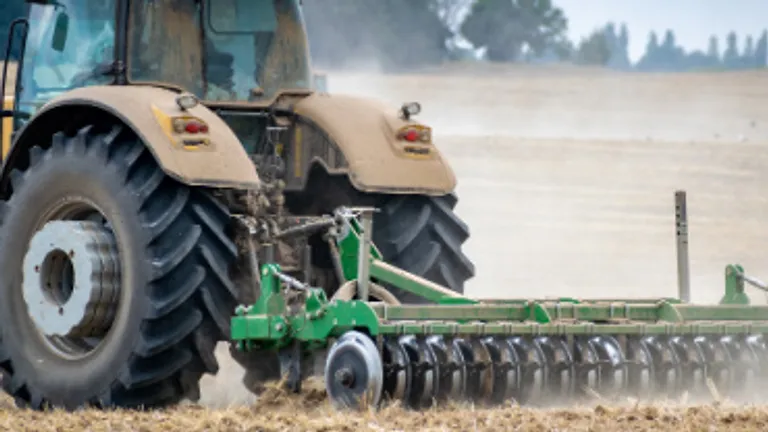
South Africa’s agricultural machinery market may be entering a period of moderation after more than a year of strong sales growth. Tractor sales fell nearly 15% year-on-year in May, while combine harvester sales dropped 34%, reflecting growing caution among farmers. Industry leaders attribute the slowdown to uncertainty surrounding crop yields, input costs, commodity prices, interest rates and weather conditions. Rising fuel and fertiliser costs, currency fluctuations and concerns about future weather patterns are also weighing on investment decisions. Despite the decline, industry experts do not expect a sharp downturn, forecasting that annual tractor sales will remain close to 2025 levels, although demand is likely to normalise after a prolonged period of strong performance.
Read full story: Farmer’s Weekly
Date Published: June 14, 2026
Export Delays and Red Tape Cost South Africa’s Red Meat Industry Billions
South Africa’s red meat industry is facing significant financial losses due to bureaucratic delays and administrative bottlenecks that are preventing access to established international markets. While interest from overseas buyers remains strong, industry body AMIE argues that government inefficiencies are restricting exports to key destinations such as Qatar, Egypt, Dubai, Mauritius and Bahrain. The prolonged closure of the Qatari lamb market alone is estimated to have cost producers R1.5 billion over the past two years. Industry leaders warn that slow approval processes, inconsistent veterinary interpretations across provinces and delays in issuing health certificates are damaging South Africa’s reputation as a reliable supplier and allowing competitors to capture valuable market share.
Read full story: Agri News
Date Published: June 15, 2026
African News
Nigeria Distributes Free Fertiliser to Over 20,000 Farmers to Boost Food Production
The Nigerian Federal Government has begun distributing 80,640 bags of free fertiliser to 20,160 smallholder farmers across the South-West region as part of the Renewed Hope Farm Input Support Programme (FISP). The initiative aims to increase agricultural productivity, reduce production costs and strengthen food security during the 2026 wet farming season. Officials said the programme is designed to ensure fertiliser reaches verified farmers growing priority crops, with all fertiliser locally produced, traceable and marked “Not For Sale” to prevent diversion. Government representatives described the scheme as a key component of wider efforts to support farmers, expand food production and promote sustainable agricultural growth.
Read full story: Leadership Newspaper
Date Published: June 15, 2026
Global News
China’s Beef Import Quotas Set to Reshape Global Trade Flows
China’s beef import quota system is forcing major exporters Australia and Brazil to seek alternative markets as they approach their annual export limits. Australia has already used around 90% of its quota and faces a 55% tariff on additional shipments, while Brazil is expected to exhaust its allocation by July. Analysts estimate that between 400,000 and 500,000 tonnes of beef may need to be redirected during the second half of 2026, with Southeast Asia likely to absorb much of the surplus. The shift could intensify competition in global markets and place downward pressure on beef prices, while China continues to diversify supplies by increasing imports from Canada, Argentina and Uruguay.
Read full story: Ukr Agro Consult
Date Published: June 15, 2026
Invasive Raccoons Cause Growing Losses for Japanese Watermelon Farmers
Watermelon growers in Japan’s Chiba Prefecture are facing increasing losses as invasive raccoons damage crops during the harvest season. Farmers report that the animals selectively target watermelons, often scratching the rind to assess ripeness before eating the fruit, while ignoring other bait. The growing raccoon population has made traditional deterrents ineffective, forcing some producers to invest in costly electric fencing. Originally introduced as pets and later abandoned, raccoons have spread across the prefecture and are now considered an invasive species. Crop damage has risen more than tenfold since 2006, while reports of raccoons entering homes and vacant buildings have also increased.
Read full story: The Asia Business Daily
Date Published: June 15, 2026
Crop Prices Fall as Hormuz Reopening Raises Hopes of Lower Farm Costs
Agricultural commodity prices declined after the United States and Iran announced an interim agreement to reopen the Strait of Hormuz, a critical route for fertiliser and fuel shipments. The prospect of restored trade has eased concerns about supply disruptions that had driven up farm input costs and contributed to higher grain and oilseed prices during the Middle East conflict. Wheat, corn, soybean oil and palm oil all weakened on expectations that improved access to fertilisers and lower energy prices will reduce production costs and ease food inflation pressures. Analysts believe sustained peace could stabilise agricultural markets, although the full economic benefits may take time to materialise.
Read full story: The Edge Malaysia
Date Published: June 15, 2026
Supply Chain Pressures May Accelerate Investment in Sustainable Food Production
Persistent global supply chain disruptions, including the latest tensions involving Iran, could encourage greater investment in sustainable and regional food production, according to Ecovia Intelligence. Rising fertiliser costs, driven in part by disruptions to trade through the Strait of Hormuz, have increased production expenses for conventional farmers, while organic producers remain less exposed due to lower reliance on synthetic inputs. Although higher living costs may continue to suppress consumer demand for organic products in the short term, analysts expect growing interest in food provenance, traceability and local sourcing over the longer term. Food manufacturers and retailers are also likely to expand investment in regenerative agriculture to strengthen supply chain resilience and reduce future risks.
Read full story: Sustainability Online
Date Published: June 15, 2026










