

South African News
South Africa’s Record Maize Harvest Helps Keep Food Inflation Low
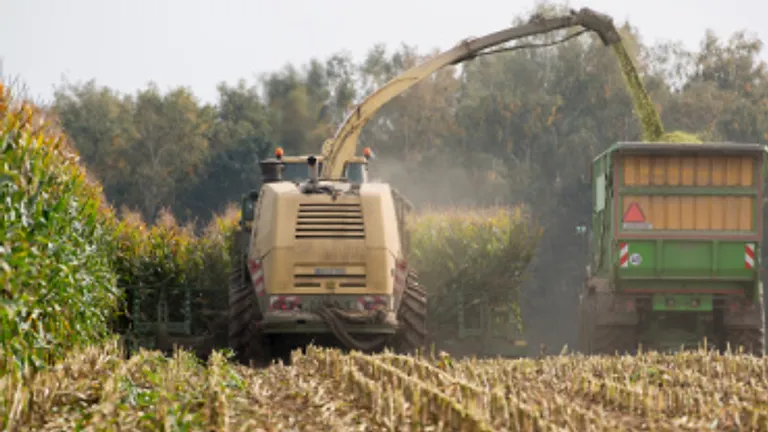
South Africa is benefiting from a record 17.1 million-tonne maize harvest in the 2025–26 season, supported by favourable La Niña rainfall and increased planting by farmers. Although harvesting has been delayed by prolonged summer rains and late planting in some regions, crop yields and quality remain strong, with 94% of maize delivered so far graded as excellent quality. The bumper harvest is helping to ease food price pressures, contributing to a fall in consumer food inflation to 2.8% in April 2026, its lowest level in 14 months. However, concerns remain about rising input costs and the potential impact of an El Niño-related drought on the 2026–27 growing season.
Read full story: Daily Maverick
Date Published: June 16, 2026
South Africa and Italy Forge Agricultural Partnership to Boost Innovation and Food Security
South Africa and Italy have signed a new agricultural cooperation agreement aimed at strengthening food security, advancing farming technology, and expanding commercial opportunities between the two countries. Signed during the Italy–South Africa Agri-Food Business Forum in Cape Town, the memorandum of understanding focuses on areas such as biosecurity, plant and animal health, research, innovation, training, and digital agriculture. Leaders from both nations highlighted the importance of collaboration in addressing climate change, food supply disruptions, and agricultural diseases. The partnership is also expected to support trade growth, encourage knowledge sharing, and build long-term relationships across the agricultural sector.
Read full story: Food For Mzansi
Date Published: June 17, 2026
African News
Solar-Powered Cold Storage Lifts Farmers’ Incomes and Reduces Food Waste Across Africa
Solar-powered refrigeration is transforming agriculture across Africa by helping farmers reduce post-harvest losses, increase earnings and improve food security. Off-grid cold storage facilities, operating on a pay-per-use basis, allow small-scale producers to keep perishable goods fresh for longer without relying on costly and unreliable electricity supplies. Companies such as Soko Fresh in Kenya report reducing spoilage rates from as much as 50% to below 2%, while boosting farmers’ incomes by up to 50%. Similar initiatives are expanding across Nigeria, Rwanda, Ethiopia and South Africa, supporting more resilient supply chains, lowering emissions and creating new economic opportunities despite ongoing funding challenges.
Read full story: Euronews
Date Published: June 17, 2026
Global News
Canada and Ontario Commit $12 Million to Sustainable Farming Projects
Canada and Ontario are investing an additional $12 million through the Agricultural Stewardship Initiative (ASI) to help farmers improve sustainability, reduce costs and strengthen long-term farm resilience. Delivered under the Sustainable Canadian Agricultural Partnership, the programme will provide grants ranging from $6,000 to $90,000 for projects focused on soil health, water quality and energy efficiency. Eligible initiatives include energy audits, erosion control measures, manure management improvements and technologies that reduce soil compaction. Since 2023, around 1,000 projects have received support. Applications for the latest funding round will open in July 2026 and be administered by the Ontario Soil and Crop Improvement Association.
Read full story: Farms.com
Date Published: June 16, 2026
Unusual El Niño Pattern Raises Weather Risks for Western Farmers
Farmers across western Canada and the United States could face a challenging summer as an unusually fast-developing El Niño combines with extreme heat, dry conditions and shifting storm patterns. A strong high-pressure ridge is expected to bring above-average temperatures and increased wildfire risk to western regions, while eastern areas may experience severe storms, heavy rainfall and localised flooding. Forecast uncertainty remains high, particularly regarding rainfall across key agricultural areas. Experts warn that the current El Niño is developing differently from previous events, making traditional forecasting models less reliable and increasing the need for close monitoring of weather, soil moisture and crop conditions throughout the season.
Read full story: Farms.com
Date Published: June 16, 2026
Australia Nears Decision on Future of Paraquat Herbicide
Australia’s pesticide regulator is preparing to deliver a key ruling on the future of paraquat, a widely used herbicide currently under review over potential health and environmental risks, including a possible link to Parkinson’s disease. Campaigners are calling for a ban, noting that more than 70 countries, including the UK and EU member states, have already prohibited its use. However, Australian farming groups argue that paraquat remains an important tool for weed control, particularly in no-till and conservation farming systems. The regulator has so far found insufficient evidence of a causal link to Parkinson’s disease when the product is used correctly, but continues to assess new scientific research.
Read full story: Farmers Weekly
Date Published: June 16, 2026
Japan’s Wasabi Fields Become New Tourism and Regional Growth Attractions
Japan’s wasabi-growing regions are increasingly being promoted as tourism destinations, helping to revitalise rural communities while showcasing a key element of Japanese cuisine. Farmers are restoring neglected wasabi fields and offering guided tours that allow visitors to learn about cultivation, harvest fresh wasabi and experience local culture. Growing international interest in Japanese food, supported by global recognition of washoku cuisine and traditional wasabi farming, has boosted both demand and tourism. Production of water-grown wasabi rose by around 30% in 2024, while destinations such as Nagano and Shizuoka are actively attracting overseas visitors. Experts believe wasabi tourism could support broader regional economic development.
Read full story: Asia News Network
Date Published: June 17, 2026










