

South African News
Corruption, Skills Gaps and Infrastructure Shortfalls Hindering Livestock Sector Transformation
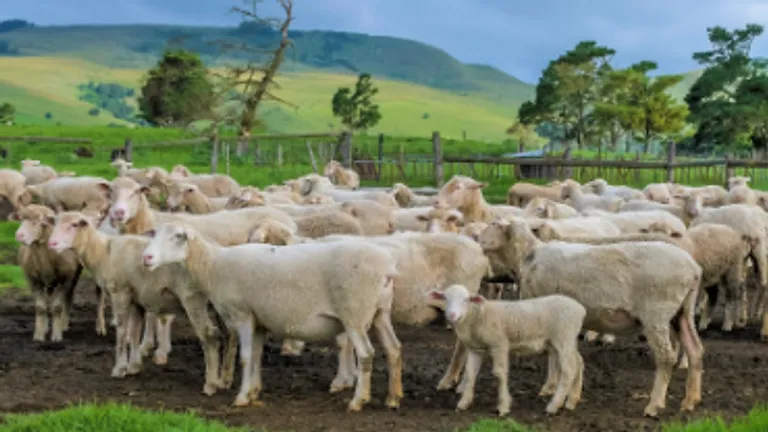
South Africa’s livestock sector could play a far greater role in reducing inequality and driving rural economic growth, but corruption, inadequate skills development and insufficient infrastructure remain major obstacles. Speaking at the National Livestock Farmers Association of South Africa’s annual meeting, ANC Youth League president Collen Malatji said funds intended for emerging farmers are being diverted through corruption, while education and training need to be aligned with regional economic needs. NaLFA-SA chairperson Brenda Maaroganye called for greater participation of communal and smallholder farmers across the livestock value chain, including processing and marketing. Government officials also highlighted the need for increased investment in rural infrastructure, agro-processing facilities and spatial development to support sustainable growth.
Read full story: African Farming
Date Published: June 18, 2026
Gauteng Allocates R64 Million to Strengthen Foot-and-Mouth Disease Response
The Gauteng Department of Agriculture and Rural Development has allocated R63.9 million towards combating foot-and-mouth disease (FMD) as part of its R742.5 million budget for the 2026/27 financial year. The funding will support disease surveillance, veterinary services, outbreak management and stakeholder coordination to protect livestock production, food security and market access. Agriculture MEC Vuyiswa Ramokgopa said the increased budget reflects the sector’s importance in tackling poverty, unemployment and inequality. Additional funding will support farmer development, agro-processing, research, market access and food security programmes, with a strong focus on helping emerging farmers transition into commercially viable enterprises and strengthening agricultural value chains across the province.
Read full story: Farmer’s Weekly
Date Published: June 18, 2026
African News
Community Seed Banks Strengthen Food Security and Climate Resilience in Northern Tanzania
Community seed banks are helping farming communities in northern Tanzania improve food security, preserve agricultural biodiversity and build resilience to climate change. Since 2017, Iles de Paix Tanzania has established 25 community seed banks across Karatu and Arusha districts, enabling farmers to conserve, exchange and multiply locally adapted seed varieties. The initiative has reduced reliance on external seed markets, improved access to quality seeds and supported the revival of indigenous crops. By promoting farmer-led seed management and agroecological practices, the programme has created a sustainable local seed economy while strengthening communities’ ability to cope with drought, erratic rainfall and other climate-related challenges.
Read full story: Daily News
Date Published: June 19, 2026
Global News
Canada Expands Investment in Domestic Food Processing and Supply Chains
Canada is strengthening its domestic food processing sector through new investments aimed at increasing the use of Canadian-grown ingredients and improving supply chain resilience. Protein Industries Canada has added two companies to its Strengthening the Canadian Supply Chain programme, supporting the development and reformulation of products using locally sourced crops. Ontario-based Farm Girl will incorporate Canadian faba and pea protein into its granola products, while British Columbia’s Body Energy Club will use Canadian pea protein in its vegan protein powders. The initiative aligns with Canada’s National Food Security Strategy, helping reduce reliance on imports, mitigate trade pressures, support economic growth and expand opportunities within the country’s plant-based food sector.
Read full story: Farms.com
Date Published: June 18, 2026
UFU Calls for Mandatory Beef Origin Labelling and Fairer Import Rules
The Ulster Farmers’ Union (UFU) has urged the UK government to introduce mandatory country-of-origin labelling for beef products and increase transparency around beef imports. In a letter to the newly appointed Minister of State for Food Security and Rural Affairs, Stephen Morgan, the union argued that consumers should be able to identify where their beef originates and how it was produced. The UFU said Northern Ireland’s beef farmers are facing pressure from declining prices, rising production costs and imported beef produced under different systems. The union is also seeking an assessment of how trade agreements and increasing imports are affecting local producers and food security.
Read full story: Agriland
Date Published: June 19, 2026
Artificial Ice Reservoirs Bring New Hope to Himalayan Farmers
Innovative artificial ice reservoirs are helping farming communities in Ladakh, northern India, overcome growing water shortages caused by climate change and glacier retreat. Developed by Acres of Ice in partnership with local authorities, the Automated Ice Reservoir (AIR) system creates large ice towers during winter by using computer-controlled water sprays that maximise ice formation while preventing pipe damage from freezing temperatures. The stored ice melts in spring, providing a reliable water source during the short growing season. Farmers report improved water availability, revived groundwater sources and greater confidence in maintaining agricultural livelihoods, helping reduce the pressure on younger generations to leave rural communities in search of work.
Read full story: BBC News
Date Published: June 19, 2026
Rising Coffee Prices Drive Japanese Firms into Greenhouse Coffee Production
Soaring global coffee prices, driven by climate change-related droughts and heatwaves affecting major producing regions, are encouraging more Japanese companies to invest in domestic coffee cultivation. Businesses from outside the agricultural sector, including energy trader Nichibei United Corp and glass manufacturer Ishizuka Glass Co, are growing coffee plants in climate-controlled greenhouses despite high costs and technical challenges. Producers aim to market premium Japanese-grown coffee while reducing reliance on imports. Demand for coffee seedlings is also rising, with suppliers reporting strong interest from businesses nationwide. However, industry participants caution that significant investment and long-term commitment are required before coffee farming becomes commercially viable.
Read full story: Japan Today
Date Published: June 19, 2026










