

South African News
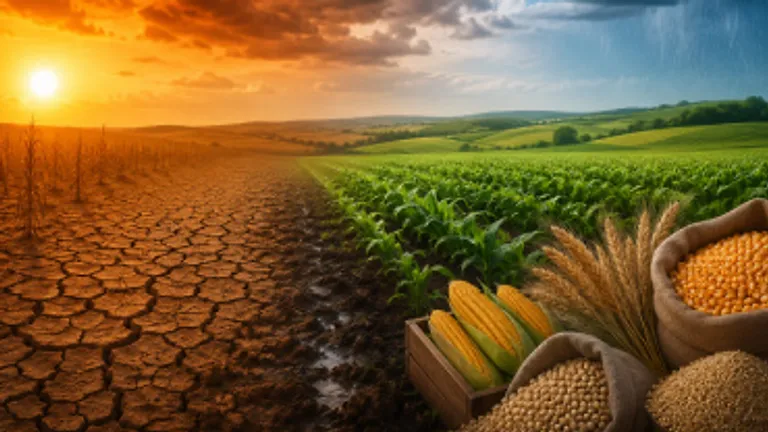
El Niño outlook tempered by strong harvests and soil moisture in South Africa
Concerns are growing over a potential El Niño event affecting South Africa’s 2026–27 agricultural season and potentially driving up food inflation in 2027. However, analysts argue that the impact may be softened by unusually strong preceding La Niña rainfall, which has improved soil moisture, dam levels and grazing conditions across the country. South Africa is also entering the new season with record grain and oilseed harvests, including a bumper maize crop and large carryover stocks, strengthening domestic supply. While El Niño could still reduce rainfall during critical growth periods, current production levels and improved water reserves are expected to cushion food price pressures more than in previous drought cycles.
Read full story: Farming Portal
Date published: June 29, 2026
Global pressures force South African agriculture to rethink labour models
South African agriculture is facing increasing pressure from rising global tariffs, climate-related disruptions and volatile fuel prices, all of which are squeezing producers’ profit margins and exposing weaknesses in traditional labour structures. The article argues that fixed labour costs leave farmers vulnerable when export demand falls or harvests are affected by extreme weather. It suggests that performance-based Business Process Outsourcing (BPO) models, where labour costs are linked to output rather than hours worked, could provide greater flexibility, improve budgeting, reduce operational risk and help safeguard jobs, businesses and rural communities against ongoing economic uncertainty.
Read full story: IOL
Date published: June 28, 2026
African News
Nigeria launches nationwide farm input programme for 500,000 smallholders
The Bank of Agriculture has begun distributing fertiliser, maize seeds and crop protection products to around 500,000 smallholder farmers across more than 20 Nigerian states under the Federal Government’s Renewed Hope Smallholder Support and Value Chain Fund. The initiative aims to cultivate approximately 520,000 hectares of farmland and produce an additional 2.6 million tonnes of food to strengthen national food security. Nearly 200,000 farmers have already received financing, while millions of bags of fertiliser and improved seeds are being distributed. More than one-third of beneficiaries are women, with the programme designed to boost productivity, improve rural livelihoods and support inclusive agricultural development.
Read full story: The Punch
Date published: June 28, 2026
Global News
Brexit trade deals and policy changes deepen pressure on UK farmers
British farmers are facing mounting financial pressure as post-Brexit trade deals, rising costs and changes to agricultural support reshape the sector. Farmers say cheaper imports, particularly beef from Australia, are driving down farmgate prices while supermarket prices remain largely unchanged. Exports to the EU have declined significantly due to new trade barriers, and reforms to farm subsidies have left many producers without adequate support. Industry leaders warn that British food production could become a premium niche if current trends continue. Climate extremes, labour shortages and increased bureaucracy have further intensified challenges, raising concerns over food security, farm viability and environmental progress.
Read full story: The Guardian
Date published: June 28, 2026
Fertiliser price relief offers boost for Brazil’s corn crop but not soybeans
Lower fertiliser prices following the reopening of the Strait of Hormuz are expected to benefit Brazil’s upcoming corn season, but the relief has arrived too late to significantly help soybean growers. Brazil imports around 80% of its fertiliser, making it highly vulnerable to global supply disruptions. While falling urea prices should support corn production, soybean farmers continue to face tight phosphate supplies, higher sulphur costs and ongoing logistics challenges. Weak soybean prices and financial pressures are also discouraging fertiliser purchases, raising concerns that reduced applications could lower future harvests despite improving conditions in global fertiliser markets.
Read full story: Business Mirror
Date published: June 28, 2026
Commentary warns regulation is pushing Canada’s family farms to the brink
A commentary argues that Canada’s agricultural regulations are making it increasingly difficult for small family farms to survive, driving up food prices and concentrating production among larger operators. It criticises supply management, quota systems and compliance costs, claiming they create major financial barriers for new farmers while limiting competition. The piece also highlights regulatory requirements for livestock producers and proposed traceability rules as examples of burdens that disproportionately affect smaller businesses. The author calls for reforms that scale regulations according to farm size, making it easier for independent producers to enter the market, increase food supply and strengthen the long-term sustainability of Canadian agriculture.
Read full story: Frontier Centre for Public Policy
Date published: June 28, 2026
Indian farmers unite to oppose proposed US trade deal
Farmer organisations across India have formed a united front against the proposed India-US trade deal, warning it could threaten domestic agriculture, food security and rural livelihoods. More than 100 leaders from various farming groups met in Chandigarh and pledged nationwide protests if the agreement proceeds without stronger safeguards. They argue that increased imports of subsidised US agricultural products could depress prices for Indian farmers and intensify pressure on sectors including dairy, poultry and livestock. While the government says the deal will boost trade and economic growth, critics maintain it could disadvantage small-scale farmers already facing rising costs, climate challenges and market uncertainty.
Read full story: One World South Asia
Date published: June 29, 2026










