

South African News
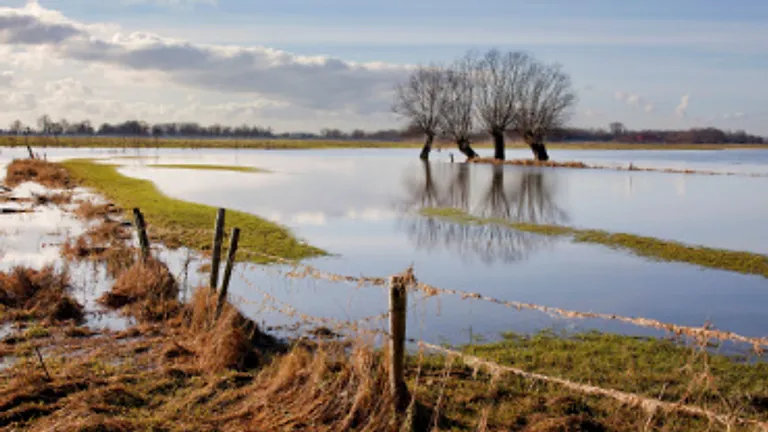
True cost of Western Cape floods continues to emerge for fruit growers
Heavy flooding in the Western Cape during May has left fruit growers in the Ceres and Witzenberg regions facing extensive damage to orchards, vineyards, irrigation systems and infrastructure, with the full financial impact still unknown. While roads, bridges and electricity supplies have largely been restored, farmers continue to repair flood damage and assess production losses ahead of the next fruit and wine season. Many have incurred significant costs to keep cold storage and processing facilities running during prolonged power outages. Producers say rebuilding will place a major financial strain on farms already affected by fires, hailstorms, rising input costs and weak market prices, highlighting the need for greater collaboration and preparation for future extreme weather events.
Read full story: Farmer’s Weekly
Date published: July 10, 2026
Strong partnerships key to keeping South African fruit competitive globally
South Africa’s fruit industry exports more than 60% of its annual production to over 100 international markets, making strong market access, collaboration and adaptability essential to maintaining its global position. While demand for premium South African fruit remains high, producers and exporters face growing challenges, including shipping delays, port inefficiencies, currency fluctuations, strict export compliance requirements and unpredictable weather. Exporting fresh fruit also requires significant investment, technical expertise and efficient cold chain management. Industry bodies continue to support growers through research, market intelligence and advocacy, while closer public-private cooperation is seen as vital to ensuring the sector remains competitive in an increasingly challenging international market.
Read full story: Food For Mzansi
Date published: July 10, 2026
African News
Professional herding model shows promise for restoring rangelands in Botswana
A professional herding approach is demonstrating how improved livestock management can reduce overgrazing, limit disease outbreaks and restore degraded communal rangelands in Botswana. The Herding for Health programme trains eco-rangers to manage livestock movement, improve grazing practices and provide basic animal healthcare, while creating green jobs for local communities. Backed by government and international funding, the initiative has already delivered positive results in pilot areas and is expected to expand to 104 villages by 2030. The programme also promotes community-led environmental stewardship, with long-term goals of restoring 4.6 million hectares of rangeland and reducing greenhouse gas emissions.
Read full story: Daily News Botswana
Date published: July 9, 2026
Global News
Fertiliser shortages threaten Nepal’s rice planting season
Farmers across Nepal are struggling to secure chemical fertiliser as severe shortages and tighter border controls with India disrupt supplies during the critical rice planting season. Many growers have been forced to transplant crops without fertiliser, while others are paying inflated prices for limited or poor-quality products sourced across the border. Although the government says fertiliser stocks are available and additional shipments are on the way, distribution delays and insufficient supplies have left cooperatives unable to meet demand. Farmers warn that delayed fertiliser application will reduce yields and have criticised repeated government failures to prevent annual shortages.
Read full story: The Kathmandu Post
Date published: July 10, 2026
Nestlé to invest 23 billion baht in new Thailand coffee factory
Nestlé will invest 23 billion baht in a new NESCAFÉ manufacturing facility in Samut Prakan, Thailand, to expand coffee production and strengthen support for local agriculture. Scheduled to begin operations in the second half of 2028, the factory will produce soluble coffee, coffee mixes and ready-to-drink beverages using advanced technologies, including artificial intelligence, robotics and automated systems. The project is expected to create more than 520 jobs and use around 4.3-billion-baht worth of locally sourced ingredients each year, including coffee beans, sugar and fresh milk from Thai farmers, reinforcing Nestlé’s long-term commitment to Thailand’s coffee industry.
Read full story: Khaosod English
Date published: July 10, 2026
Japan grants geographical protection to Japanese tea to combat imitations
Japan has registered "Japanese tea" under its geographical indication (GI) protection system to strengthen the brand and combat the growing number of imitation products in overseas markets. The designation covers all green tea cultivated and processed in Japan, making it one of the few nationwide GI registrations rather than one linked to a specific region. The government says the move will help protect authentic Japanese tea through stricter enforcement against false labelling while enhancing its international reputation and export potential. Two other products, Lake Hamanako Japanese eel and Kaga lotus root, were also added, bringing Japan’s total GI registrations to 170.
Read full story: Kyodo News
Date published: July 10, 2026
European Parliament backs EU-Mexico trade deal with boost for agri-food exports
The European Parliament has approved the updated EU-Mexico trade agreement, paving the way for its formal adoption and strengthening trade opportunities for the agri-food sector. The deal will reduce tariffs on products including cheese, pork and poultry, with lawmakers noting that the EU’s and Mexico’s agricultural industries are largely complementary. While welcoming commitments on sustainability and labour rights, MEPs called for stronger climate provisions and expressed concerns about Mexico’s energy policy, judicial independence and human rights record. Supporters said the agreement would help diversify the EU’s trade partnerships and reinforce its presence in Latin America.
Read full story: Bilaterals
Date published: July 9, 2026










