

South African News
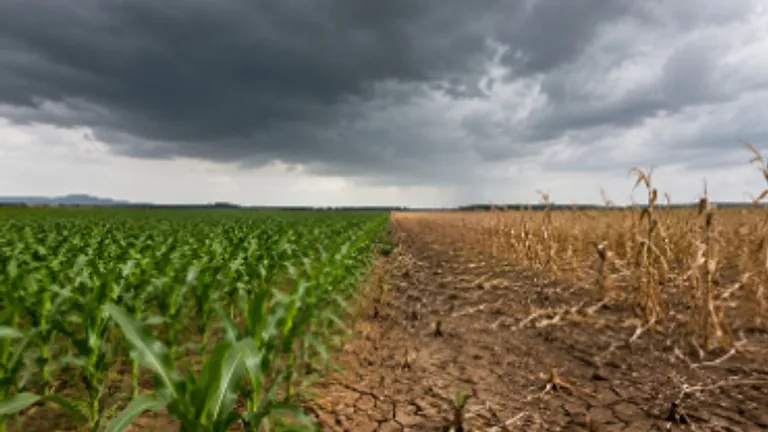
Climate-Related Crop Losses Exceed R1bn as Extreme Weather Hits South African Farms
South African farmers have suffered more than R1 billion in insured crop losses during the 2025/26 season as increasingly severe weather linked to climate change continues to disrupt agriculture. According to insurer Santam, hail, flooding, heavy rain, strong winds and unseasonal weather are becoming more frequent and less predictable, damaging crops, infrastructure and supply chains. Farmers are investing in protective measures such as hail nets, improved water management and precision farming technologies, but rising costs and repeated weather losses are placing growing financial pressure on the sector. Santam says insurance will play an increasingly important role in helping farms recover and remain resilient.
Read full story: Independent Online (IOL)
Date Published: July 30, 2026
Veld Fires Demand Shared Responsibility to Protect South African Farming
South African farmers continue to face devastating losses from veld fires, with many believed to be deliberately started by people hunting or acting carelessly. Writing from personal experience after a fire damaged his own farm, African Farming editor Lebogang Mashala argues that while government must improve fire prevention, support Fire Protection Associations and provide disaster relief, communities also have a responsibility to prevent arson and report offenders. He warns that veld fires destroy grazing, livestock, infrastructure and livelihoods, threatening food security and making it harder for emerging farmers to build successful businesses. Protecting farmland, he says, requires a collective commitment from society.
Read full story: African Farming
Date Published: July 29, 2026
African News
Poor Seeds and Underinvestment Continue to Hold Back Nigeria’s Food Production
Nigeria’s Minister of Agriculture and Food Security, Abubakar Kyari, says poor access to certified seeds, limited financing, shrinking farmland, climate pressures and years of underinvestment in agricultural research are key reasons the country continues to face food shortages. He warned that many farmers are forced to plant harvested grain instead of quality seed, reducing crop yields and productivity. Speaking at the Africa Agriculture Science Week in Abuja, Kyari called for greater investment in agricultural research and innovation. Officials also stressed the need to better connect research with industry so new technologies can be commercialised and adopted by farmers.
Read full story: The Sun
Date Published: July 29, 2026
Global News
Malaysia Urged to Reform Agriculture to Strengthen Food Security
Malaysia must modernise its agrofood sector to reduce its reliance on imported food and improve long-term food security, according to an opinion piece by economist Lee Heng Guie. The article highlights challenges including limited land for food production, fragmented farming, low technology adoption, labour shortages and weak investment. It proposes measures such as expanding land for food crops, introducing longer agricultural leases, increasing research funding, creating a national agrofood landbank and encouraging government-linked companies to lease unused land to farmers. The author argues these reforms would boost domestic food production, improve resilience and reduce the country's dependence on food imports.
Read full story: The Star
Date Published: July 30, 2026
US Farmers Face Mounting Financial Pressure, but Crisis Differs from the 1980s
Many US farmers are struggling to make a profit as low crop prices, rising production costs and higher interest rates continue to squeeze margins. While the situation has drawn comparisons with the 1980s farm crisis, experts say today’s farmers are generally in a stronger financial position thanks to lower debt levels, widespread crop insurance and government support payments. However, ongoing volatility, fuelled by global events such as the war in Iran, has increased the cost of fertiliser and fuel, making financial planning more difficult. Farmers remain hopeful that input costs will ease and commodity prices will eventually recover.
Read full story: Wisconsin Public Radio
Date Published: July 29, 2026
UFU Urges UK to Tighten Rules on Brazilian Meat Imports
The Ulster Farmers' Union (UFU) is calling on the UK government to restrict imports of Brazilian beef, poultry and other animal products following the European Commission’s decision to ban certain Brazilian beef imports from September over antimicrobial and traceability concerns. The union fears products rejected by the EU could be redirected to the UK, potentially undermining domestic farmers who must meet stricter production standards. It also warned that increased imports could place further pressure on farmgate prices and disrupt the supply chain. Defra said it is carrying out its own assessment of Brazil’s antimicrobial controls and will continue engaging with industry and Brazilian authorities.
Read full story: Agriland
Date Published: July 30, 2026
China’s Agricultural Drone Boom Set to Expand into Emerging Markets
China is rapidly increasing the use of agricultural drones to address an ageing farming workforce and improve productivity, with industry leader DJI reporting global sales of more than 700,000 units across over 100 countries and regions. Drones are now used for spraying, seeding, fertilising, crop monitoring and transporting supplies, helping farmers work more efficiently. Despite import restrictions in countries such as the United States and India, analysts believe demand will grow across developing markets, particularly in Southeast Asia. Manufacturers are also developing automated docking stations to improve battery charging, chemical refilling and fully autonomous farm operations.
Read full story: South China Morning Post
Date Published: July 29, 2026










