

South African News
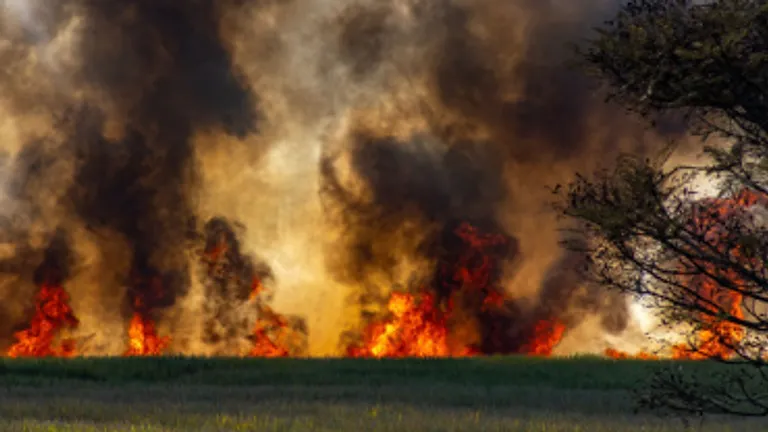
Veld Fires Threaten Farmers, Livestock and Rural Livelihoods
Veld fires are causing widespread damage across South Africa, destroying livestock, grazing land and farm infrastructure while placing long-term pressure on farmers and rural communities. Industry experts warn that repeated fires can reduce biodiversity, damage soil health and leave farmers facing years of recovery, with some forced to reduce jobs or sell their land. Fire Protection Associations remain vital in preventing and tackling fires, although many farmers say they receive little government support and must rely on their own resources. Authorities have also warned that deliberately starting fires is a criminal offence that threatens food security and agricultural livelihoods.
Read full story: Food For Mzansi
Date Published: July 31, 2026
KZN Tackles Dip Tank Challenges During FMD Vaccination Campaign
KwaZulu-Natal is addressing challenges with communal dip tanks as it continues its mass foot-and-mouth disease (FMD) vaccination campaign. Agriculture MEC Thembeni kaMadlopha-Mthethwa said keeping the province’s 2,286 dip tanks stocked with acaricides remains a priority to protect livestock from ticks and tick-borne diseases. Farmers raised concerns about water shortages during winter and the higher chemical requirements of larger dip tanks, prompting the department to consider boreholes and increased chemical allocations where needed. The FMD campaign aims to vaccinate nearly 200,000 animals by 5 August, with almost 54,000 cattle already vaccinated in King Cetshwayo and iLembe districts during the first five days.
Read full story: African Farming
Date Published: July 31, 2026
African News
Kenyans Urge Sifuna to Prioritise Farming and Fisheries Issues
Nairobi Senator Edwin Sifuna has received a flood of requests from the public after joining Kenya’s Senate Standing Committee on Agriculture, Livestock and Fisheries. Farmers and industry groups have called on him to address concerns including support for the blue economy, fish farming, onion imports from Tanzania and preparedness for the forecast El Niño rains. The Cage Fish Farmers Association has also urged him to seek the repeal of a 5% fish-landing levy, arguing it unfairly burdens producers. Sifuna said he was surprised by the volume of issues raised, highlighting the many challenges facing Kenya’s agricultural sector.
Read full story: The Star (Kenya)
Date Published: July 31, 2026
Global News
Recycled Glass Boosts Soil Health and Farm Productivity
Australian farmers are increasingly using pulverised recycled glass as a silicon-rich soil treatment to improve crop yields, pasture growth and livestock performance. Produced from recycled glass bottles, the material is applied as either a powder or granules and is said to strengthen plants against pests, disease and drought while unlocking nutrients already present in the soil. Agronomists report improvements in plant productivity of up to 30%, with some beef producers recording significantly higher daily weight gains in cattle. The product also reduces reliance on imported fertilisers, offering both economic and environmental benefits by recycling waste glass into a valuable agricultural input.
Read full story: ABC News
Date Published: July 31, 2026
Japan’s Ageing Farmers Face Growing Succession Challenge
Modern farming machinery has enabled many Japanese farmers to work well into their 70s by reducing the physical demands of agriculture, but it has also lessened the need for younger family members to remain on farms. The story of the Yamaguchi family highlights Japan’s wider succession crisis, with the number of farmers more than halving over the past 20 years and nearly 70% now aged over 65. While some younger relatives still help during busy periods and feel a responsibility to continue family traditions, many pursue careers elsewhere, raising concerns over who will produce the country’s staple crops in the future.
Read full story: The Japan Times
Date Published: July 31, 2026
European Heatwaves Reduce Crop Yield Forecasts
Persistent heatwaves and limited rainfall have lowered crop yield forecasts across Europe, according to the European Commission’s MARS Crop Monitoring analysis. Total EU grain production is now expected to be around 1% below the five-year average. High temperatures have shortened the grain-filling period for winter cereals, reducing expected yields by 1–4%. Summer crops have been hit harder, with maize and sunflower yields forecast to fall by 6–7% as drought and declining soil moisture affect growth and flowering, particularly on non-irrigated land. The Joint Research Centre warns that continued hot, dry weather could lead to further downward revisions later in the season.
Read full story: De Molenaar
Date Published: July 30, 2026
Brazil and Argentina Offer Contrasting Pictures as Canada Debates Mercosur Beef Trade
Canada’s proposed trade agreement with the Mercosur bloc has sparked concern among cattle producers, who want beef excluded over fears of lower production standards and increased competition. However, a closer look at Brazil and Argentina reveals two very different industries. Brazil is the world’s largest beef exporter, benefiting from year-round grazing and lower production costs, but continues to face criticism over traceability, environmental oversight and links to deforestation. Argentina focuses on premium, fully traceable grass-fed beef and is modernising its livestock sector despite slower growth. The report suggests Canada’s trade negotiations should recognise the significant differences between the two beef-producing nations.
Read full story: Canadian Cattlemen
Date Published: July 31, 2026










