

South African News
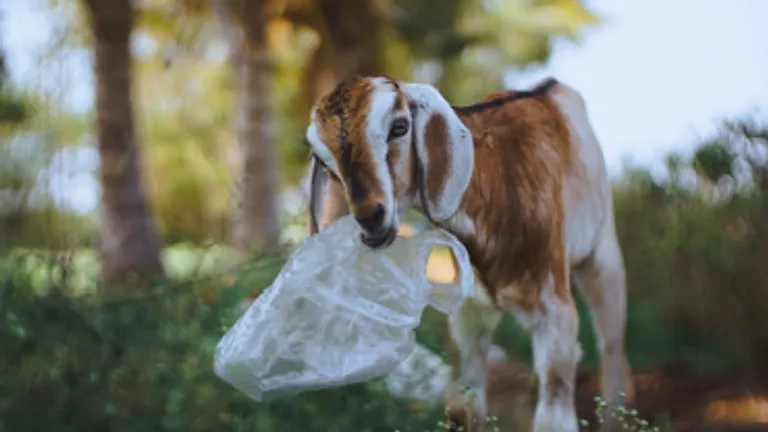
Plastic Waste Threatens Livestock on South Africa’s Communal Grazing Lands
Plastic pollution is harming cattle and goats in rural Mpumalanga, where livestock graze freely on communal land. A study involving 40 smallholder farmers found that animals commonly ingest plastic bags, wrappers and bottles, particularly during droughts when grazing is scarce. Plastic can block the digestive system, causing weight loss, poor growth and reproduction, and death. Farmers said inadequate waste collection, illegal dumping and shrinking grazing areas make the problem difficult to prevent. They are using measures including removing visible waste, fencing animals and home remedies, but say they need better waste collection, veterinary services, feed and community clean-up efforts.
Read full story: All Africa Date
Published: August 9, 2026
South African Blueberry Season Set for Strong Northern Harvest
South Africa’s blueberry season is shaping up positively in Limpopo, Mpumalanga and North West, where strong yields, quality fruit and favourable export prices are expected to support returns. However, producers in the Western Cape face greater uncertainty after flood damage reduced some crops by about 30%, while an unusually warm, dry winter has raised concerns over insufficient cold conditions and irrigation supplies. The country is forecast to produce 28,030t of blueberries this year, with export demand remaining strong as poor Peruvian yields support prices. Growers are increasingly focusing on early-season northern production and expanding access to markets such as India and China.
Read full story: Farmer’s Weekly
Date Published: August 8, 2026
African News
Livestock Genetics Support Zimbabwe’s Six-Million Cattle Target
Zimbabwe is using improved livestock genetics to build larger, more productive and climate-resilient cattle herds as it works towards a national herd of six million by 2030. The Government’s livestock genetic improvement programme supports artificial insemination and structured breeding, with a focus on hardy indigenous breeds such as Tuli, Mashona and Nkone. Commercial breeders are also contributing, including the Pilossof family, whose Brahman and Beefmaster operations promote high-quality genetics suited to local conditions. However, illegal gold mining is threatening grazing land and livestock, with nearly 200 pedigree cattle reportedly killed after falling into mining pits or drinking cyanide-contaminated water.
Read full story: Herald Online
Date Published: August 10, 2026
Global News
Europe Moves Towards Wider Adoption of Gene-Edited Crops
Europe is moving closer to wider commercial use of gene-edited crops as the EU prepares to relax regulations covering certain New Genomic Techniques from 2028. Researchers argue technologies such as CRISPR-Cas9 could produce crops better able to withstand drought, pests and extreme weather, with trials in Belgium showing promising results. Gene-edited crops have historically faced the same strict rules as GMOs, limiting them largely to research. However, concerns remain over patents, with critics warning that commercialisation could increase the power of large agricultural companies and leave farmers paying royalties for valuable genetic traits. The technology continues to face opposition from environmental campaigners.
Read full story: Science Literacy Project
Date Published: August 10, 2026
U.S. Pork Exports Recover After Pseudorabies Trade Ban
US pork exports are expected to recover after Mexico lifted restrictions on US pork offal linked to a pseudorabies detection at an Iowa swine farm. The ban, imposed after antibodies to the virus were found in five boars, is estimated to have cost exporters $6 million to $7 million a week. Mexico is the largest market for US pork, while China is the biggest buyer of variety meats and requires additional testing of offal shipments, causing lengthy delays and higher costs. Despite the disruption, US pork exports rose 10% year-on-year in May to 245,874 tonnes, supported by stronger shipments to other markets.
Read full story: Farm Progress
Date Published: August 10, 2026
Malaysia Pushes Digital Farming to Strengthen Food Security
Malaysia is being urged to accelerate the adoption of agricultural technology to improve food security and reduce reliance on imports. The Agriculture Department has launched a smart irrigation system using weather and crop data to provide farmers with precise watering schedules, with the aim of reducing water waste and energy costs. The article also highlights drones, open agricultural data and controlled-environment farming as technologies that could modernise the sector. With Malaysia’s food import bill reaching RM93.8 billion in 2024 and rice self-sufficiency at just 56.2%, greater use of technology could improve productivity while making farming more attractive to younger workers.
Read full story: Free Malaysia Today
Date Published: August 9, 2026
Philippines Introduces National Biosecurity Framework for Livestock
The Philippines has adopted a national biosecurity framework covering the livestock and poultry supply chain, from international borders and feedmills to farms, transport systems, markets and slaughterhouses. The Department of Agriculture says the science-based standards aim to prevent and control animal diseases, improve surveillance and sanitation, protect safe trade and reduce economic losses. Requirements include veterinary inspections, quarantine procedures, controlled farm access, vehicle disinfection, movement permits and health monitoring. The Bureau of Animal Industry will lead implementation, supported by training and technical assistance. Officials say the framework could also provide the foundation for a future national Biosecurity Law.
Read full story: aviNews Asia
Date Published: August 10, 2026










