

South African News
Rising Electricity Costs Threaten South African Agricultural Exports
South Africa’s rising electricity tariffs are putting pressure on agricultural profitability and export competitiveness, particularly in electricity-intensive horticulture. The 12.74% average tariff increase approved by Nersa comes as farms face higher irrigation, refrigeration, cold-storage and processing costs. Agriculture accounts for about 4% of electricity distributed, but its electricity use is growing rapidly as production becomes more mechanised and export-focused. With major exports such as oranges, grapes, mandarins and apples heavily reliant on electricity, further price increases could weaken South Africa’s position in global markets. The article calls for tariff reforms that provide productive agricultural sectors with more competitive, transparent and predictable electricity costs.
Read full story: Food For Mzansi
Date: August 11, 2026
South African Agricultural Machinery Sales Fall as Costs Rise
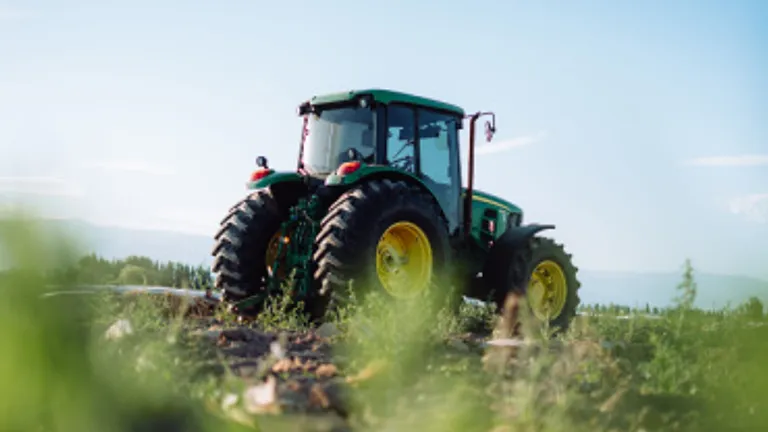
South African agricultural machinery sales fell for a third consecutive month in July, with tractor sales down 31% year-on-year to 517 units. The decline reflects rising input costs, geopolitical instability and concerns over an El Niño-driven drought in the 2026–27 production season. Despite weaker tractor demand, combine harvester sales rose 83% year-on-year to 11 units, supported by expectations of a strong 2025–26 grain and oilseed harvest. Analysts say machinery sales had been expected to cool after several years of strong demand. Tractor sales for 2026 are forecast to be up to 10% lower than in 2025.
Read full story: Business South Africa News Press Reader
Date published: August 11, 2026
African News
Nigerian Tomato Growers Call for Stronger Government Support
Nigeria’s Tomato and Orchard Producers Association has called for greater government involvement in food production, storage and market management to help stabilise tomato prices. The group says improved access to fertilisers and quality seeds has benefited farmers, but gaps in agricultural data continue to hamper production planning and input distribution. TOPAN is urging the government to establish a reliable agricultural database and work more closely with private businesses, farmers’ groups and cooperatives. It also proposed government purchases of surplus produce for storage and release during shortages, while calling for more grants and incentives for smallholder tomato growers to increase production and improve price stability.
Read full story: Horti Daily
Date published: August 10, 2026
Global News
Drought Grips 71% Of England as Farm Pressures Mount
Drought conditions now cover 71.3% of England following the country’s driest July on record, putting increasing pressure on farmers. Irrigation restrictions are tightening, river levels are falling and livestock farmers are using winter feed early as grass growth declines. Poor yields have also been reported in some early-harvested crops, while fruit and vegetable growers are struggling to secure enough water. The government is considering further agricultural support and is promoting on-farm reservoirs and longer-term water infrastructure. The NFU is calling for improved water management, investment in reservoirs and greater support for vulnerable farms as hot, dry conditions are expected to continue.
Read full story: FarmingUK
Date published: August 10, 2026
Soybean Trade Remains Key to China-US Agricultural Ties
Soybeans continue to play a central role in agricultural trade between China and the United States, with officials and industry leaders highlighting opportunities for renewed cooperation. China is the world’s largest agricultural import market, while US soybean exports help meet its growing demand for livestock feed and food products and support American farm communities. Speakers acknowledged that tariffs and trade tensions disrupted soybean trade and harmed US farmers, but said demand for high-quality US soybeans remains strong. Both sides called for greater dialogue and cooperation, emphasising the complementary nature of their agricultural sectors and their shared interest in global food security.
Read full story: China Daily
Date published: August 11, 2026
Climate Risks Threaten East Africa and Latin America as Southern Africa Sees Strong Harvests
Southern Africa is expected to produce 43.4 million tonnes of cereals, almost 10% above the five-year average, with strong maize harvests forecast in South Africa and Zambia. However, agricultural conditions are deteriorating in parts of East Africa, where heatwaves, dry spells and El Niño are increasing drought risks and worsening food insecurity. West Africa is also facing rainfall deficits, while the Middle East, North Africa, Central Asia and South Asia generally have favourable crop prospects. In Latin America and the Caribbean, El Niño is bringing severe heat and drought to some areas while increasing flood and landslide risks elsewhere, threatening crops and vulnerable farming communities.
Read full story: Joint Research Centre
Date published: August 11, 2026
Malaysian Farmers Turn to Regenerative Farming for Healthier Food
Zero Foodprint Asia is helping Malaysian farmers transition to regenerative farming through grants, expert advice and funding from participating restaurants. The organisation asks restaurants to contribute 1% of their proceeds towards projects that improve soil health, biodiversity and long-term farm productivity. Seven Malaysian farms have received grants in the initiative’s first year, with farmers using techniques including composting, reduced tillage and diverse cropping. The programme aims to help farmers overcome the financial risks of changing practices while producing more nutritious food. Zero Foodprint Asia hopes more Malaysian restaurants will participate and provide funding for additional farms.
Read full story: The Star
Date published: August 11, 2026










