

South African News
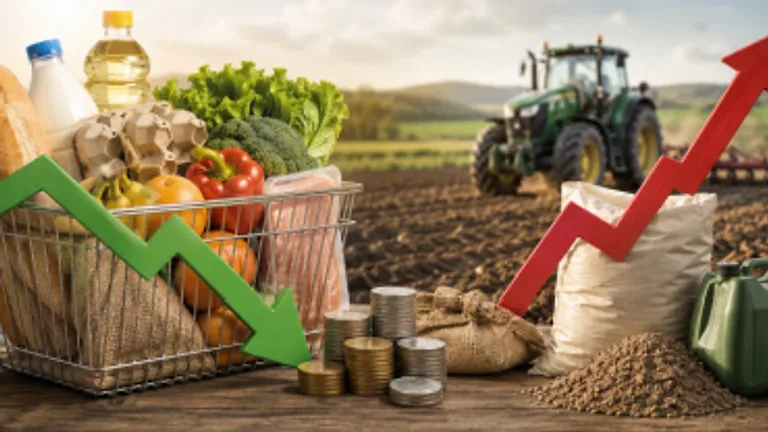
SA Food Inflation Slows as Rising Costs Squeeze Farmers
South Africa’s annual food inflation eased to 1.6% in June from 1.9% in May, offering households temporary relief. However, farmers face mounting pressure from high diesel prices, borrowing costs and rising input expenses. The Reserve Bank held interest rates at 7%, while overall inflation increased to 5%, partly driven by higher fuel and transport costs. Economists warn that expensive inputs and debt could force farmers to reduce fertiliser use or switch crops, threatening yields and food supply. Small-scale farmers say rising fuel, feed, fertiliser and medicine costs are already undermining profitability, with higher production costs eventually likely to push up food prices.
Read full story: Food For Mzansi
Date Published: August 12, 2026
Farming Sector Maintains More Than 900,000 Jobs Despite Quarterly Decline
South Africa’s farming sector employed more than 900,000 people in the three months to June, despite a 2% decline in jobs from the previous quarter. Employment was still more than 4% higher than the same period last year, supported by increased activity in labour-intensive fruit, vegetable and field crop production. Although some farmers report difficulties finding workers amid the ongoing immigration debate, industry surveys indicate that labour shortages remain limited rather than widespread. However, rising fuel, fertiliser and electricity costs, along with the risk of an El Niño-driven drought, could threaten employment and place further pressure on farmers over the coming year.
Read full story: eNCA
Date Published: August 12, 2026
African News
Western Kenya Farmers Welcome Halt on Sugar Imports
Western Kenya sugarcane farmers have welcomed the Kenyan government’s decision to stop issuing new sugar import licences, saying it could strengthen the domestic sugar industry and improve returns for growers. Farmers in Kakamega County said cheaper imports had made it harder for local mills to sell sugar, buy cane and pay farmers on time. They hope stronger demand for locally produced sugar will improve market stability, reduce payment delays and restore confidence in sugarcane farming. The government says domestic production can now meet national demand and aims to make Kenya a net sugar exporter by increasing production and improving industry efficiency.
Read full story: ChiniMandi
Date published: August 12, 2026
Global News
Farming Initiative Gives Newcomer Farmers Land to Strengthen Food Security
A community-led farming initiative in Westlock County, Alberta, is helping newcomers with agricultural backgrounds access land while tackling local food insecurity. Kurudi Mashambani, meaning “back to the land” in Swahili, launched as a one-year pilot in July, giving farmers access to two hectares under a reduced-rent agreement. Participants are growing crops using sustainable practices including soil testing, remediation and crop rotation, while organisers hope to secure funding and equipment. The project aims to help newcomer families become more self-sufficient, share their farming knowledge and contribute to the wider community. Organisers hope the model can eventually be expanded nationally.
Read full story: CBC News
Date Published: August 11, 2026
Argentina Increases Soybean Crushing Despite Lower Production
Argentina’s soybean crushing sector remains strong despite a decline in domestic soybean production. Crushing volumes reached an estimated 11.8 million tonnes in the second quarter, 4% higher than a year earlier, supporting increased soybean oil exports. June shipments hit a record 742,000 tonnes, driven by demand from India and Nepal, although first-half exports were 3% lower year on year. Temporary strikes raised concerns over export disruptions along the Paraná River but were resolved within days. Strong palm oil demand from biodiesel producers is also encouraging importers to consider Argentine soybean oil as an alternative, potentially supporting exports during the third quarter.
Read full story: Ukr Agro Consult
Date Published: August 12, 2026
Bangladesh Targets Sustainable Farming on Half of Agricultural Land
Bangladesh aims to bring 50.01% of its agricultural land under productive and sustainable farming practices by 2030, up from the current 44.37%, to strengthen climate resilience and long-term food security. The government wants farmers to adopt practices that protect soil and ecosystems while improving their ability to withstand droughts, floods and extreme weather. Officials also called for greater use of “green box” subsidies to support agricultural research, infrastructure, storage and extension services, while reducing excessive pesticide use. Further priorities include developing climate-resilient seeds, improving farmers’ incomes, expanding small-scale cold storage and strengthening technology, biosecurity and environmental protection.
Read full story: The Daily Star
Date published: August 12, 2026
Queensland Dairy Farmer Fears Closure After Milk Contract Ends
A Queensland dairy farmer fears his family’s 80-year farming operation could end after Maleny Dairies decided not to renew its decade-long milk supply contract. Jason Rozynski produces about 3.3 million litres of milk a year from two farms near Imbil and says other processors have told him they have no capacity to take his milk. He fears being forced to cull his 600 Brown Swiss cows if a new buyer cannot be found. The crisis comes as Queensland faces an oversupply of milk and reduced processing capacity, despite a new state dairy plan aimed at increasing production by 5% by 2032.
Read full story: ABC News
Date published: August 12, 2026










