

South African News
Irrigation Investment Shifts as Costs and Water Risks Rise
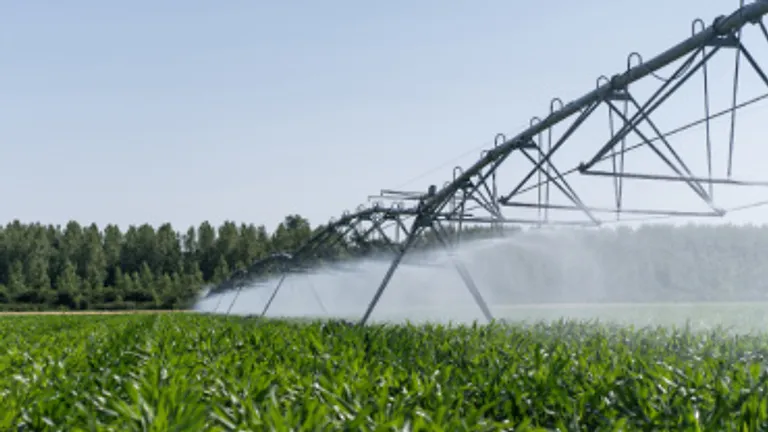
Rising electricity prices, tighter competition for water and concerns over water quality are changing how farmers approach irrigation investment. A survey by Komet Irrigation found that water efficiency, energy savings, droplet uniformity and adaptability are increasingly important alongside productivity. South African farmers face similar pressures, with electricity costs and reliability, water availability and quality becoming major concerns. Irrigation systems are increasingly viewed as strategic investments that can improve profitability, resource efficiency and resilience rather than simply equipment for moving water. Farmers are also being urged to use qualified designers to ensure systems meet evolving standards and maximise efficiency as operating costs rise.
Read full story: Farmer’s Weekly
Date Published: August 13, 2026
Premier Pledges Compensation as Tulbagh Canning Plant Closure Looms
Premier Group has pledged to compensate South African canning fruit growers in cash for produce it can no longer process after announcing the closure of its Fruit Products Western Cape facility in Tulbagh. The company plans to leave the canned fruit category entirely, with the Rhodes canned fruit brand disappearing once existing stocks are sold. Premier says weakening global demand, trade disruptions, changing consumer preferences and increased competition, particularly from China, have made the business unviable. Growers welcomed the compensation commitment but warned that a single-season payout would not address the long-term impact on orchards, workers and rural livelihoods. A grower committee will continue negotiations and seek alternative solutions.
Read full story: Farmer’s Weekly
Date Published: August 13, 2026
African News
NAMBoard Enforces 24% Edible Oil Levy
Eswatini’s National Agricultural Marketing Board (NAMBoard) will enforce a 24% levy on imported edible oils from September 1, 2026, to strengthen compliance with existing legislation and support local producers. NAMBoard CEO Bhekizwe Maziya said the law allows levies of between 24% and 36%, with the authority applying the minimum rate. Some importers had allegedly used HS codes that did not attract the levy, allowing them to avoid charges on products that should have been subject to the measure. NAMBoard said imported brands would remain available to consumers, but the levy would help create a level playing field for domestic producers.
Read full story: Times of Eswatini
Date Published: August 13, 2026
Global News
USDA-DHS Action Targets Illegal Cattle Trafficking
The US Department of Agriculture (USDA) and Department of Homeland Security (DHS) have agreed to strengthen efforts against foreign animal disease threats and illegal cattle trafficking through improved information sharing, surveillance technology and border enforcement. USDA estimates that around 800,000 cattle worth approximately $320 million are smuggled annually from Central America into Mexico, potentially bypassing health inspections and traceability systems and increasing the risk of New World screwworm spreading. R-CALF USA welcomed the agreement as a first step but urged the US administration to maintain its border closure to Mexican livestock until Mexico demonstrates that the pest has been eradicated, arguing that stricter controls are needed to protect US cattle producers.
Read full story: Tri State Livestock News
Date Published: August 13, 2026
Super El Niño Could Reshape Latin American Food Exports
A potentially record-strength El Niño is expected to bring contrasting effects across Latin America, the world’s leading food-exporting region. Increased rainfall could benefit soybean, maize and wheat production in Argentina, Paraguay, Uruguay and southern Brazil by improving soil moisture, although excessive rain may increase disease and flooding risks. Drier conditions in northern Brazil, Colombia and Venezuela could threaten crops, livestock and Amazon waterways used to transport soybeans. Energy markets may also benefit, with stronger hydropower generation in southern Brazil and increased demand for Argentine natural gas. Meanwhile, drought in Panama is forcing tighter canal draft limits, potentially reducing cargo volumes and increasing shipping costs.
Read full story: Reuters
Date Published: August 13, 2026
New Zealand Secures Vietnam Market for Venison and Deer Velvet
New Zealand’s deer industry has secured export access to Vietnam for farmed venison and deer velvet, opening a new market in one of Southeast Asia’s fastest-growing economies. Deer Industry New Zealand (DINZ) said the agreement would help diversify exports and strengthen long-term resilience, particularly for velvet, which already has established markets in South Korea and China. Vietnam’s growing affluent consumer base and familiarity with deer velvet’s health and wellness uses make it a promising destination. Venison exporters will need individual premises to receive Vietnamese approval, with applications from eight eligible New Zealand processing facilities currently under review. Velvet exporters face no equivalent premises-listing requirement.
Read full story: Farmers Weekly
Date Published: August 14, 2026
Australia Expands Drought Resilience Hubs To Strengthen Farming
Australia is expanding its Drought Resilience Hubs programme to help farmers and rural communities prepare for increasingly challenging dry conditions. Established under the Future Drought Fund, the hubs connect researchers with producers to turn scientific findings into practical farming solutions, including on-farm trials, water-efficiency technologies, soil management and livestock strategies. The programme has been refreshed to establish seven national hubs, backed by up to A$86.7 million through June 2032. An independent review identified improvements to governance, efficiency and community engagement, helping shape the next phase. The hubs aim to shift agriculture from responding to drought emergencies towards long-term preparedness and resilience.
Read full story: Global AgInvesting Media
Date Published: August 14, 2026










