

South African News
High Dam Levels Offer Temporary Cushion as SA Braces for El Niño
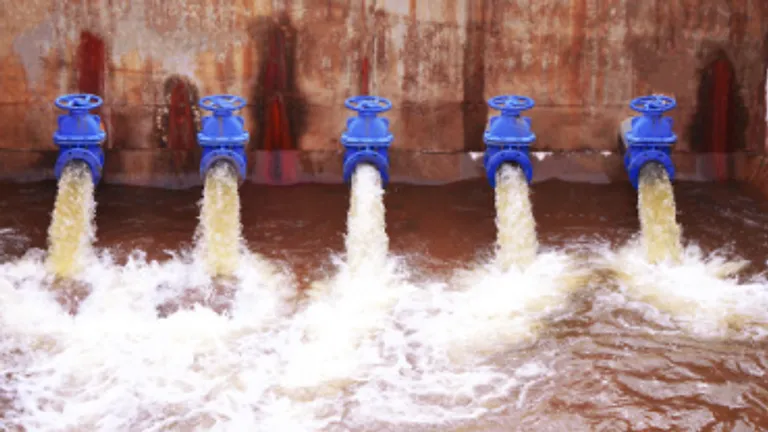
South Africa’s national dam levels are at 95.5%, providing farmers with a temporary buffer ahead of an expected intense El Niño. Experts warn, however, that high storage levels should not create complacency, particularly given ageing water infrastructure and agriculture’s reliance on rainfall. Farmers are being urged to develop drought plans early, reduce water losses, improve irrigation scheduling and protect groundwater resources. Rainfall during the 2025–26 summer season has also improved soil moisture and dam levels, offering some protection for both irrigated and rainfed farming. However, farmers dependent on rainfall remain vulnerable if drought conditions develop.
Read full story: Food For Mzansi
Date published: August 19, 2026
Building The Next Generation of Commercial Pig Farmers
South Africa’s emerging pig farmers face major barriers to commercial growth, including high infrastructure costs, limited access to finance, disease risks and market challenges. The South African Pork Producers’ Organisation (SAPPO) is supporting producers through its Farmer Development Programme, mentorship, training, technical assistance and business development. Training combines online resources, on-farm instruction and study groups, while biosecurity guidance focuses on measures to reduce African swine fever risks. SAPPO also promotes a “golden rules” approach centred on genetics, nutrition, housing, health, welfare, biosecurity and good stockmanship. Consumer education and market data are also used to help farmers meet changing demand and commercial requirements.
Read full story: African Farming
Date published: August 19, 2026
African News
Kenyan Farmers Suffer Severe Losses from Climate Change and Pests
Kenyan farmers and livestock owners are experiencing rising financial losses caused by severe drought, erratic rainfall, pests, and livestock diseases. Agriculture Cabinet Secretary Mutahi Kagwe highlighted that unpredictable weather patterns heavily endanger national food security and local livelihoods. In response, national authorities have vaccinated over 20 million animals under a subsidised initiative and registered millions of agriculturalists on digital platforms to enhance financial access, advisory services, and market links. Kagwe urged regional county governments to build climate-resilient farming structures, deploy young agripreneurs, and invest heavily in irrigation schemes, disease control, and essential livestock feed reserves to withstand future dry periods.
Read full story: Eastleigh Voice
Date published: August 18, 2026
Global News
Optimistic Outlook for Soybean Sustainability
Illinois soybean producers are seeing promising opportunities to strengthen demand and improve market sustainability. Illinois Soybean Association chairman Bryan Severs says expanded soybean processing capacity, partly driven by increased biodiesel requirements, is supporting local prices. The Soy Innovation Center is also exploring new uses for soybeans, including soy-based lubricants, which could create additional domestic demand. Meanwhile, a memorandum of understanding between Illinois and Indonesian officials could provide new export opportunities, particularly for soybean meal. Severs says developing diverse domestic and international markets will be crucial to moving more soybeans into the supply chain and supporting long-term sustainability for producers.
Read full story: Brownfield Ag News
Date published: August 18, 2026
Bangladesh Farmers Demand Ban on Highly Hazardous Pesticides
Farmers in the Rajshahi district of Bangladesh are demanding an immediate ban on the unrestricted sale and use of highly hazardous pesticides, advocating instead for an agroecological transformation. Organised by the Green Coalition and BARCIK, local agriculturalists showcased chemical-free crops, indigenous seed banks, and natural pest control methods made from neem, ash, and plant extracts. Highlighting health risks, including severe cancer rates among local farmers and damaging ecological impacts on river fish and birds, the community urged the government to restrict chemical sales, recognize traditional knowledge, and support union-level organic farming training to protect local food sovereignty.
Read full story: The Climate Watch
Date published: August 19, 2026
Time To Boost New Zealand’s Organic Sector
New Zealand’s organic sector is being urged to receive stronger government support, including finalising the National Organic Standard, reducing certification costs and helping more farmers transition to organic production. The sector’s value has grown from NZ$723 million to NZ$1.18 billion in four years, while exports have reached NZ$606.7 million and are growing faster than overall primary-sector exports. Organic dairy and kiwifruit lead the market, with further opportunities in wine, lamb, beef, wool and horticulture. However, less than 1% of agricultural land is certified organic. Supporters argue regulatory reform could unlock export growth and meet rising international demand for verified sustainable products.
Read full story: Rural News Group
Date published: August 19, 2026
EU Pesticide Restrictions Could Threaten Brazilian Agricultural Exports
Brazilian agricultural exports could face tougher access to the EU if Brussels introduces stricter pesticide residue limits for substances deemed highly hazardous. A European Commission study suggests a zero-tolerance approach could significantly reduce imports of Brazilian soybeans, soybean meal and other commodities unless producers adapt their farming practices. Brazil supplies almost half of the EU’s soybean needs, and soybean imports from Brazil could fall by 95% under the most severe scenario. Alternative pesticides may be available but could increase production costs by 20% to 40%. Brazil and other major agricultural exporters have raised concerns at the WTO, arguing the EU should follow international, science-based risk assessments.
Read full story: Datamar News
Date published: August 18, 2026










