

South African News
Women’s Land Access Key to Expanding South Africa’s Agricultural Sector
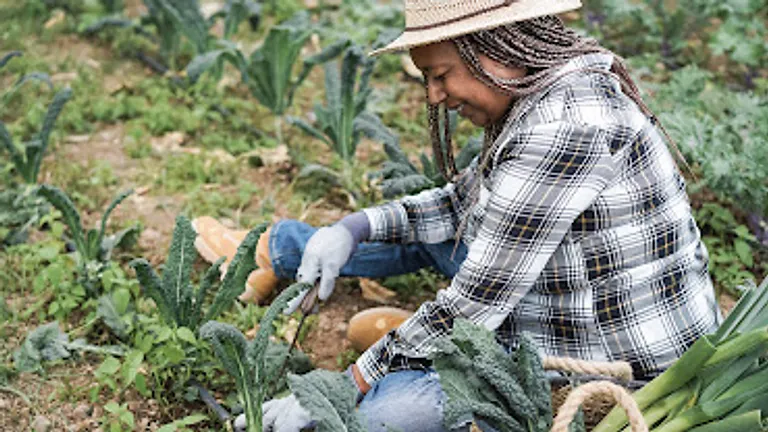
Women are playing an increasingly important role in South African agriculture, but limited access to land, finance, infrastructure, training and markets continues to restrict their participation and growth. Around 20% of commercial farms registered for VAT are owned and operated by women, highlighting progress but also significant room for improvement. Farmers and experts are calling for land reform policies that prioritise women, as well as pathways from agricultural employment and education into land ownership. Better infrastructure and business support can also help existing female farmers expand. Greater opportunities for women and young people could strengthen the sector’s ownership base and future growth.
Read full story: Food For Mzansi
Date published: August 26, 2026
Water Rights Alone Cannot Transform South Africa’s Unequal Farming Sector
South Africa’s efforts to give Black farmers greater access to agricultural water have not always translated into independent, successful farming businesses. Research involving 34 commercial and emerging farmers in the Eastern Cape found that joint ventures often provide access to irrigation but leave emerging farmers dependent on established commercial farmers for finance, equipment, expertise, markets and decision-making. High water and compliance costs, limited infrastructure and difficulties accessing credit further restrict their progress. Researchers argue that water redistribution must be accompanied by coordinated finance, infrastructure, training and market support, while joint ventures should build farmers’ capacity to eventually operate independently.
Read full story: Infrastructure News
Date published: August 26, 2026
African News
Armyworm Infestation Destroys 790 Hectares of Farmland in Nigeria’s Jigawa State
An armyworm infestation has destroyed about 790 hectares of farmland in Birniwa Local Government Area of Nigeria’s Jigawa State, leaving farmers facing major crop and income losses. Beans and sesame have been particularly affected, with some farmers reporting losses of more than 20 bags of expected produce. Local authorities have supplied pesticides and technical advice, while a state agricultural agency has assessed the damage and profiled affected farmers. Experts warn that changing weather patterns, including high temperatures and disrupted rainfall, may increase pest risks. They recommend early planting, regular monitoring, weed control and integrated pest management to limit future outbreaks.
Read full story: All Africa
Date published: August 26, 2026
Global News
UK Farming Bodies Warn Agriculture Is At Crisis Point
UK farming organisations, led by the NFU, are calling for urgent government action as drought, extreme heat, animal disease, high input costs and geopolitical instability place farm businesses under severe financial pressure. The worst drought in 50 years has caused historically low harvests, failed crops and poor grass growth, while the pig sector is also struggling with prolonged low prices and processor contract losses. Farmers face immediate cashflow challenges that could prevent them from planting next year’s crops or replacing livestock. Farming bodies are calling for measures including an interest-free, government-backed loan to support businesses affected by drought and help protect future food production.
Read full story: Pig World
Date published: August 25, 2026
Arizona Reopens Mexican Cattle Imports as New Mexico Prepares to Follow
The US has resumed limited imports of live cattle from Mexico through the Douglas, Arizona, port after a nearly two-year suspension linked to the New World screwworm outbreak. Imports will initially be capped at 700 cattle a day, rising to 1,300 over the following weeks, under stricter inspection and identification requirements. Two New Mexico ports are also expected to reopen over the next two months, potentially increasing cattle supplies and easing pressure on historically low US herd numbers and high beef prices. Texas ports, however, will remain closed for now because of ongoing screwworm activity. Mexico is strengthening containment measures in northern border states.
Read full story: Successful Farming
Date published: August 25, 2026
Indonesia Says 5.1 million Tonnes of Rice Reserves Can Withstand El Niño
Indonesia has 5.1 million tonnes of government-held rice reserves, which officials say are sufficient to meet public demand and protect food security despite El Niño and wider climate-related risks. The reserves, managed by the State Logistics Agency (Bulog), are being used to support supplies and stabilise market prices as global rice prices rise. By August 24, 1.69 million tonnes had been distributed through price stabilisation, food assistance and emergency programmes. Agriculture Minister and National Food Agency head Andi Amran Sulaiman said the government would continue balancing supply from producers to consumers and ensuring sufficient rice is available during climate-related disruptions.
Read full story: ANTARA News
Date published: August 26, 2026
Canadian Farmers Warn Escalating Canada-US Trade Measures Could Disrupt Agriculture
The Canadian Federation of Agriculture (CFA), representing more than 190,000 family farms, has warned that worsening Canada-US trade tensions and new tariffs could create significant problems for farmers and the wider North American food system. The two countries rely heavily on integrated cross-border supply chains for food, feed, fertiliser, equipment and other agricultural inputs. The CFA says escalating tariffs could increase costs, disrupt supply chains, reduce food affordability and weaken the competitiveness of farmers and agribusinesses. With producers already facing rising input costs, market volatility and increasingly unpredictable weather, the organisation is urging both governments to return to negotiations and quickly resolve the dispute.
Read full story: Farms.com
Date published: August 25, 2026










