

South African News
South Africa Extends UAE Livestock Registration Deadline
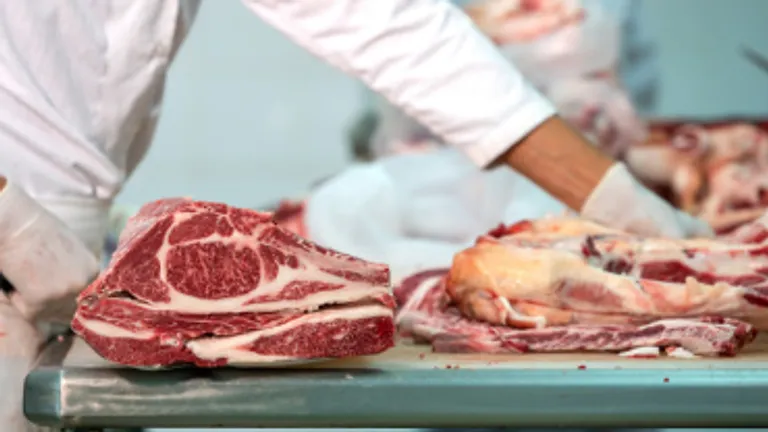
South African farms and feedlots supplying livestock for red meat exports to the UAE have until 31 December 2026 to complete registration under Veterinary Procedural Notice 59. The extension is intended to prevent trade disruption while producers and state veterinarians complete the required process. However, facilities must still undergo inspection, meet all relevant requirements and submit compliant applications to the Directorate of Animal Health. Unregistered facilities after the deadline will no longer be eligible to supply livestock for UAE red meat exports. The UAE is an important market for South Africa’s red meat industry, helping producers access premium markets and reduce reliance on domestic demand.
Read full story: Farmers Weekly
Date published: August 27, 2026
El Niño and Rising Costs Put Pressure on SA Farmers
South African farmers face a challenging 2026/27 season as rising electricity, diesel and financing costs put further pressure on already tight profit margins. An expected potentially strong El Niño could add to the risks, particularly for grain producers, although better rainfall in recent seasons has left the country in a stronger position than before the severe 2015/16 event. Economists also warned that inflation and externally driven costs could constrain profitability. Farmers are being urged to prioritise profitability rather than production alone, with careful management of margins, cash flow and debt essential to withstand potential weather and economic volatility.
Read full story: Farmers Weekly
Date published: August 27, 2026
African News
Kenya Targets Weighbridge Fraud to Protect Sugarcane Farmers
The Kenya Sugar Board is introducing reforms to tackle alleged weighbridge fraud that can leave sugarcane farmers losing up to three tonnes of cane per trailer. Mobile weighbridges will independently verify cane weights, while cane-testing units are being introduced to help move towards payments based on quality and sugar content as well as weight. Millers will also be required to pay farmers within seven days of delivery, while new harvesting frameworks aim to reduce delays. The measures form part of wider efforts to revive Kenya’s sugar industry, boost domestic production and reduce reliance on imports, which remain necessary to meet the country’s substantial sugar deficit.
Read full story: People Daily
Date published: August 28, 2026
Global News
Argentina’s River Grain Shipments Reach Five-Year High
Argentina’s domestic river grain shipments rose 18% in 2025 to 805,800 tonnes, their highest level in five years, according to the Rosario Board of Trade. Most grain is moved by barge along the Paraná Waterway to the Greater Rosario agro-export complex, with lower transport costs helping maintain the competitiveness of Argentine grain. Shipments increased for the second consecutive year and were 27% above the previous five-year average. Entre Ríos accounted for 89% of total domestic river grain movements, while shipments from Santa Fe more than doubled. Cargill’s Diamante terminal handled the largest volume, while the La Paz Agricultural Cooperative recorded strong growth.
Read full story: Ukr Agro Consult
Date published: August 27, 2026
Uncertainty Creates Major Geopolitical Challenges for Canadian Farmers
Canadian farmers are facing heightened uncertainty over trade, input prices, supply chains and government support, according to experts speaking at the Canadian Seed Growers’ Association annual general meeting. Panellists highlighted the growing recognition of food and agriculture as matters of national sovereignty and security, following the launch of Canada’s first National Food Security Strategy. Concerns remain over Agriculture and Agri-Food Canada funding cuts and research facility closures, with a parliamentary committee recommending that closures be paused or reversed. Trade and market diversification, particularly Canada’s relationship with the US, remain priorities, while industry leaders called for a more unified agricultural voice when engaging with government.
Read full story: Canadian Cattlemen
Date published: August 27, 2026
Climate Change Threatens Pakistan’s Red Chili Industry
Pakistan’s red chili farmers are facing growing threats from extreme heat, flooding, unpredictable rainfall and rising production costs. Kunri, known as the country’s “red chili capital”, produces more than 85% of Pakistan’s red chilies and supports thousands of farming livelihoods. This year, severe heat delayed planting, shortening the growing season, while farmers now face uncertainty over whether insufficient or excessive rainfall will damage crops. Higher fertiliser and irrigation costs are adding to the pressure, while increased humidity is making traditional sun-drying more difficult and raising disease risks. Falling production has prompted some farmers to diversify into less risky crops.
Read full story: Ynet News
Date published: August 20, 2026
China’s New Cotton Law Tightens Control Over Uyghur Farmers
A new cotton regulation in China’s Xinjiang region has introduced tighter oversight of the cotton supply chain, requiring detailed records linking cotton to individual farmers and land plots. The regulation follows earlier policies allowing agricultural management rights to be transferred to cooperatives and companies, which the article argues have reduced farmers’ control over land and farming decisions. It also comes amid longstanding allegations of forced labour involving Uyghurs and other Indigenous communities. Although the government presents the measures as modernising and improving cotton production, critics argue that increased traceability and mechanisation could reinforce state and corporate control rather than provide greater accountability or economic independence for farmers.
Read full story: Global Voices
Date published: August 28, 2026










