

South African News
El Niño Drought Risk Puts South African Farmers on Alert
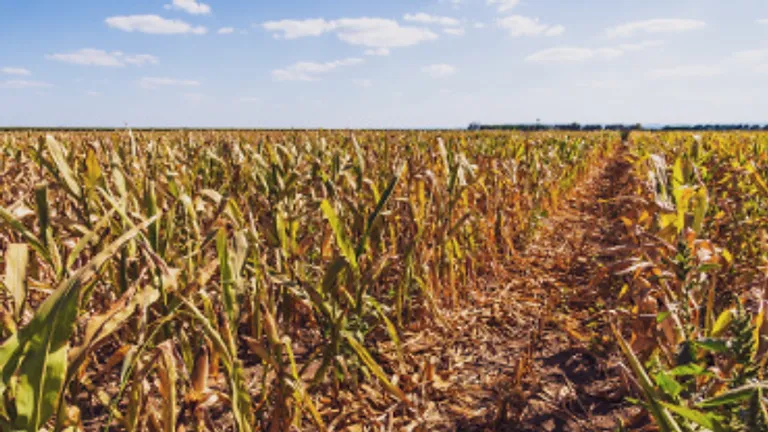
South Africa’s Agriculture Minister Willie Aucamp has urged farmers to prepare for potentially hot and dry conditions during the 2026/27 summer season as an El Niño weather pattern increases the risk of below-normal rainfall. Government plans to strengthen early warning systems and provide more frequent weather updates, particularly on extreme heat. Farmers are being encouraged to conserve soil moisture, select drought-tolerant cultivars, follow recommended planting windows and improve irrigation efficiency. Livestock producers should manage stocking rates according to available grazing, use rotational grazing and ensure adequate feed and water. Early action and close monitoring of weather, crops, livestock, pests and diseases will be important.
Read full story: Bizcommunity
Date published: September 3, 2026
Government Urged to Prioritise Supported Farmers in Procurement
Gauteng’s Agriculture and Rural Development MEC Vuyiswa Ramokgopa has called for government to become a key buyer of food produced by the smallholder and emerging farmers it supports. She argued that providing farmers with inputs without securing markets is ineffective, pointing to Gauteng’s school nutrition programme, which feeds 1.6 million children daily, as a major potential source of demand. Ramokgopa said procurement should also support hospitals and other government institutions, while farmers should be linked to aggregators, retailers and agro-processors. She also called for more integrated food-system planning, with Gauteng targeting a 10% reduction in reported hunger levels by 2030.
Read full story: African Farming
Date published: September 1, 2026
African News
Morocco Expands Water Transfers to Combat Drought
Morocco is developing a national water-transfer network to move supplies from areas with greater availability to regions facing shortages, as prolonged drought and climate change put increasing pressure on water resources. A planned link between the Sebou and Oum Er-Rbia catchments will span nearly 300km and could transport up to 800 million cubic metres of water annually, supporting drinking water supplies and irrigation across around 176,000 hectares. The strategy also combines dams, desalination, treated wastewater reuse and more efficient irrigation. The government aims to improve water security while protecting agricultural production and reducing the impact of drought on food supplies and prices.
Read full story: Atalayar
Date published: September 3, 2026
Global News
Three Weather-Hit Harvests Cost British Farmers £4.8bn
Extreme weather has caused a cumulative 14.4 million-tonne shortfall in UK wheat, barley, oats and oilseed rape production across 2024, 2025 and projected 2026 harvests, according to analysis by the Energy and Climate Intelligence Unit (ECIU). The losses are estimated to have cost farmers £4.8 billion in lost revenue compared with the 2014–2023 average, adjusted for inflation. The 2024 harvest was damaged by prolonged wet weather, while drought and high temperatures affected crops in 2025 and 2026. Farmers and industry representatives warn that increasingly severe weather linked to climate change is threatening food production and farm finances.
Read full story: Farmers Guide
Date published: September 2, 2026
US And Mexico Escalate Dispute Over GM Corn Imports
Mexico’s efforts to restrict genetically modified (GM) corn and glyphosate have intensified a major trade dispute with the United States, with Mexico citing public health, biodiversity and the protection of traditional corn varieties. Mexico imports large quantities of US corn, including GM varieties mainly used for animal feed and industrial purposes. A USMCA dispute panel ruled in 2024 that several Mexican restrictions lacked sufficient scientific justification and breached parts of the trade agreement, prompting Mexico to amend some measures. However, it continues to defend restrictions on GM corn cultivation. The dispute could have wider implications for agricultural trade and countries’ ability to prioritise environmental, health and cultural concerns.
Read full story: UkrAgroConsult
Date published: September 2, 2026
Southeast Asia Key to Nature-Positive Palm Oil
Southeast Asia could play a leading role in making palm oil production more nature-positive while supporting global biodiversity targets, particularly the goal of protecting 30% of land and oceans by 2030. The approach would integrate conservation into agricultural landscapes by protecting peatlands, rivers, forest patches and wildlife corridors within and around plantations. Indonesia and Malaysia, which produce around 85% of global palm oil, are already piloting landscape-scale conservation initiatives. The article calls for governments to recognise verified conservation areas, increase financial and technical support for smallholders, and develop shared regional standards. Strong monitoring and independent verification would be essential to prevent greenwashing.
Read full story: Eco-Business
Date published: September 3, 2026
South America Set for Rapeseed Production Boom
South American rapeseed production could rise to 1.5–1.6 million tonnes in 2026/27, up from around 1.1 million tonnes the previous season. The increase is being driven mainly by expanded planting in Brazil and Uruguay, where growers are responding to demand for rapeseed oil and protein-rich animal feed. Uruguay’s planted area has reached about 340,000ha, while Brazil’s stands at around 370,000ha. Favourable weather could see Uruguay produce a record 600,000–620,000 tonnes, while Brazilian output is expected to reach about 600,000 tonnes. Rising production could strengthen South America’s position in rapeseed and oil markets and create new export opportunities.
Read full story: Radar Crop
Date published: September 2, 2026










