

South African News
State Vaccine Boss Suspended Amid Foot-and-Mouth Disease Pricing Row
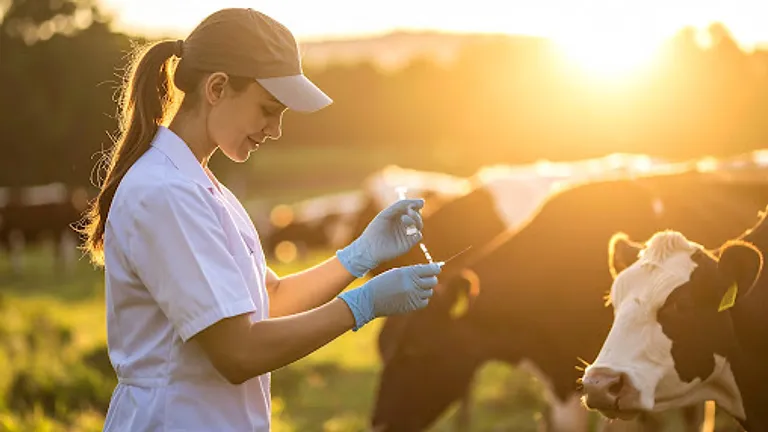
Dr Jacob Modumoh, acting chief executive of Onderstepoort Biological Products, has been placed on precautionary suspension following allegations of serious misconduct linked to the pricing of foot-and-mouth disease vaccines. Agriculture Minister Willie Aucamp said the state-owned company must prioritise the public interest and avoid excessive mark-ups while farmers face the financial impact of South Africa’s largest-ever FMD outbreak. The suspension does not imply guilt, and the allegations have not yet been independently investigated. FMD Response SA has also called for greater independent oversight of vaccine pricing and disease testing, including verification of some samples by the UK’s World Reference Laboratory at Pirbright. The vaccination programme will continue.
Read full story: All Africa
Date published: September 6, 2026
Profitable Value Chain Vital for South Africa’s Food Security
Speakers at the Swartland Show agricultural seminar in Moorreesburg highlighted the importance of maintaining a competitive and profitable food value chain to safeguard South Africa’s long-term food security. Tiger Brands CEO Tjaart Kruger said all participants must earn sufficient returns to remain viable, while also competing with imports and retailer private-label products. Economist Johan Willemse urged farmers to plan for the long term, manage costs, build financial reserves and prepare for future cash needs. Heidrick & Struggles partner Mark Watt said businesses should consider multiple scenarios and strengthen their foresight, adaptability and resilience to cope with uncertainty and changing conditions.
Read full story: Farmers Weekly
Date published: September 7, 2026
African News
Kenya Milk Shortage Prompts Calls for Government Action
Kenya is facing a growing milk shortage after formal milk intake fell 5% between May and June 2026 to 84.4 million litres, with prolonged dry conditions and rising feed costs affecting dairy farmers. Smallholder producers, responsible for around 80% of the country’s milk supply, say daily yields per cow have nearly halved. The shortage has led retailers in Nairobi to ration purchases, while fresh milk prices have risen to 80 Kenyan shillings per litre. The Consumers Federation of Kenya has called for a seven-day emergency recovery plan, feed subsidies and the removal of import duties and VAT on key livestock feed inputs.
Read full story: Channel Africa
Date published: September 6, 2026
Global News
Swiss Farmers Turn to Water Retention to Tackle Climate Extremes
Swiss farmers are adopting water-retention measures to cope with increasingly frequent droughts and heavy rainfall. The “Slow Water” project, involving more than 110 farms, aims to reduce soil erosion and keep water in the landscape for longer so it remains available during dry periods. Farmer Urs Burri has built ponds and retention basins and introduced keylines, which slow runoff, improve infiltration and direct water towards drier areas. He has also planted forage trees to stabilise soil, provide shade and supply minerals to livestock. Researchers are monitoring the measures to identify the most effective approaches for different regions and improve climate resilience.
Read full story: Swiss Info
Date published: September 7, 2026
AgCAREERSTART Seeks Funding to Secure Future of Australia’s Farm Workforce
Australia’s National Farmers’ Federation is seeking new investment from industry, businesses and governments to continue AgCAREERSTART, a programme that provides young Australians aged 18 to 25 with paid, supported on-farm placements. Since 2022, the programme has placed 275 participants on farms, with a 77% completion rate and 90% remaining in agricultural careers or further study. It has also generated $5.56 for every $1 invested. The NFF says demand remains strong, with applications increasing since the programme began. With Commonwealth funding due to expire, the organisation is calling for co-investment to make AgCAREERSTART sustainable and help address Australia’s future agricultural workforce needs.
Read full story: National Farmers’ Federation
Date published: September 7, 2026
Experts Warn GMO Corn Could Threaten Pakistan’s Agriculture and Exports
Farmers, scientists, exporters and agricultural experts in Pakistan have strongly opposed proposed commercial cultivation of genetically modified (GMO) corn, warning it could harm food security, public health, the environment and the economy. Stakeholders at a meeting in Lahore argued that GMO corn could contaminate non-GMO crops, particularly Basmati rice, potentially threatening valuable export markets. They also raised concerns that reliance on imported GMO seed could create dependence on multinational companies and undermine Pakistan’s domestic seed industry. Participants questioned the transparency of the government’s consultation process and called for an independent assessment of the technology’s potential impacts. They warned of large-scale protests if approval proceeds.
Read full story: Business Recorder
Date published: September 7, 2026
China Demand for Heat-Resistant Soybeans Could Influence Brazil’s Supply Chain
China imported 87.1 million tonnes of Brazilian soybeans in 2025, accounting for around 80% of Brazil’s soybean exports. Chinese concerns over grain quality, including heat damage reported in shipments in March 2026, are increasing attention on the ability of soybeans to withstand long periods of storage and transport. Stricter inspections and existing requirements covering quality, storage and pest control are putting greater pressure on Brazil’s supply chain. Although China has not mandated specific soybean varieties, demand for more transport-resistant grain could influence breeding, storage and logistics investments. The issue highlights how soybean competitiveness increasingly depends on maintaining quality from harvest through to delivery.
Read full story: Click Petróleo e Gás
Date published: September 6, 2026










