

South African News
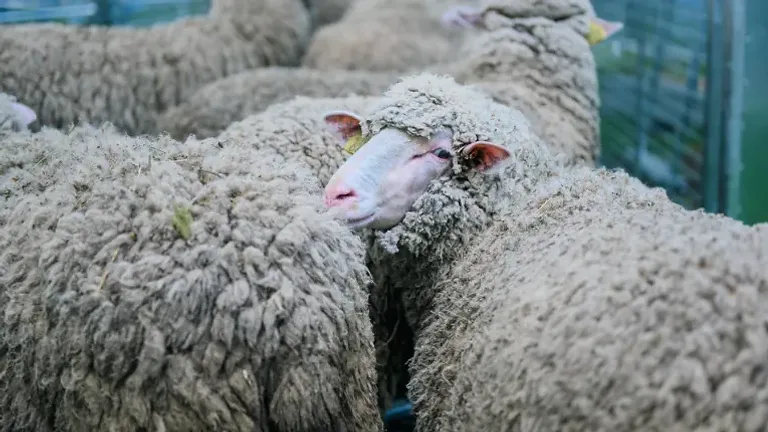
Chinese Demand and Tighter Supply Boost South African Wool Outlook
A 54% rise in South Africa’s Wool Market Indicator during the 2025/26 season, together with shrinking global supplies and growing Chinese demand, is improving prospects for wool producers. Dan Kriek of the National Wool Growers’ Association said China’s expanding textile industry and innovations in sportswear and lifestyle clothing were creating new opportunities. Rising consumer interest in wellness and environmentally conscious products could further benefit wool’s natural attributes. However, stricter sustainability certification requirements, geopolitical tensions and uncertainty over US tariffs and El Niño mean producers must remain adaptable, maintain quality and strengthen business resilience.
Read full story: Farmers Weekly
Date Published: September 10, 2026
SA Agriculture Faces Uncertainty Despite Strong Starting Conditions
South African farmers are entering a potentially severe El Niño season from a strong position, with high soil moisture levels and full dams providing some protection against drier conditions. Absa’s AgriTrends Spring 2026 report warns, however, that lower summer rainfall could reduce crop yields, while carry-over stocks may keep prices subdued. Geopolitical tensions, disrupted freight routes and rising fertiliser costs add to the risks. With weather patterns becoming less predictable and small events capable of significantly affecting margins, farmers are urged to rely on timely market, weather and geopolitical information rather than historical trends alone.
Read full story: Farmers Weekly
Date Published: September 10, 2026
African News
Tanzania’s Organic Sector Offers Investment Opportunities Amid Supply Constraints
Growing demand for organic products in Tanzania is creating investment opportunities across production, processing, certification and farmer aggregation. The Tanzania Organic Agriculture Movement says avocados, fruit and vegetables have strong market potential, but limited production and aggregation capacity is preventing farmers from meeting demand. Investment in cooperatives and producer groups could help small-scale farmers increase output and access larger markets. Opportunities also exist in organic fertiliser production, processing, packaging, value addition, certification and farmer education. Preserving indigenous seed varieties could further improve resilience to pests, diseases and climate pressures, while greater investment could help Tanzania expand its domestic and international organic markets.
Read full story: Fresh Plaza
Date Published: September 10, 2026
Global News
Iran Conflict Threatens to Increase Costs for US Farmers
The prolonged conflict with Iran is adding to cost pressures facing US farmers as disruptions to oil shipments through the Strait of Hormuz push energy markets higher. Rising crude oil and fuel prices could increase the cost of diesel, fertiliser, freight and other farm inputs, while livestock producers may also face higher transport and feed costs. A sustained disruption could add volatility to fertiliser prices and 2027 production budgets, while renewed inflation could keep borrowing costs elevated. With farm margins already under pressure, producers are being urged to monitor fuel, fertiliser and freight costs as the conflict creates further uncertainty for agricultural markets.
Read full story: AgroLatam
Date Published: September 10, 2026
EU Farmers Face Margin Pressure as Output Prices Fall and Costs Rise
EU agricultural output prices fell by 5.8% year on year in the second quarter of 2026, marking a third consecutive quarterly decline, while input costs increased by 4.7%. Output prices fell in 20 member states, with Denmark, Ireland, Latvia and Estonia among the hardest hit. Milk prices dropped by 16.6% and cereals by 5.6%. Meanwhile, energy and lubricant costs rose by 22%, while fertiliser and soil improver prices increased by 13.4%. The combination of lower returns and rising production costs is putting increasing pressure on farmers’ margins across the EU.
Read full story: The Brussels Times
Date Published: September 10, 2026
Drought Leaves Sri Lankan Farmers Struggling to Survive
A prolonged drought has devastated crops, depleted reservoirs and left farming families across six Sri Lankan districts struggling to secure food, income and water. Monaragala is among the worst-affected areas, with more than 41,000 people impacted. Farmers have lost paddy, fruit, vegetables and other crops as rivers, irrigation tanks and wells dry up, while dairy producers face shortages of water and feed. Drinking-water supplies have also been restricted, prompting authorities to deliver emergency supplies to affected communities. The drought, linked to a stronger El Niño, has also affected livestock and wildlife, with farmers hoping for rain to restore water sources and enable another planting season.
Read full story: UCA News
Date Published: September 11, 2026
CPTPP Could Bring Opportunities and Risks for South Korean Agriculture
South Korea should carefully weigh the risks and opportunities of joining the Comprehensive and Progressive Agreement for Trans-Pacific Partnership (CPTPP), Agriculture Minister Song Mi-ryung has said. Membership could expose farmers to greater import competition but also provide new export opportunities for Korean agricultural products. Song cited the Korea-Chile free trade agreement, saying concerns over grape imports ultimately encouraged domestic producers to improve competitiveness and increase exports. However, she stressed that the government has not decided to pursue CPTPP membership and would only support accession if it served national and farmers’ interests. Maintaining sufficient domestic production would remain a key consideration.
Read full story: The Korea Herald
Date Published: September 11, 2026










