

South African News
Canola Growth Creates Investment and Processing Opportunities
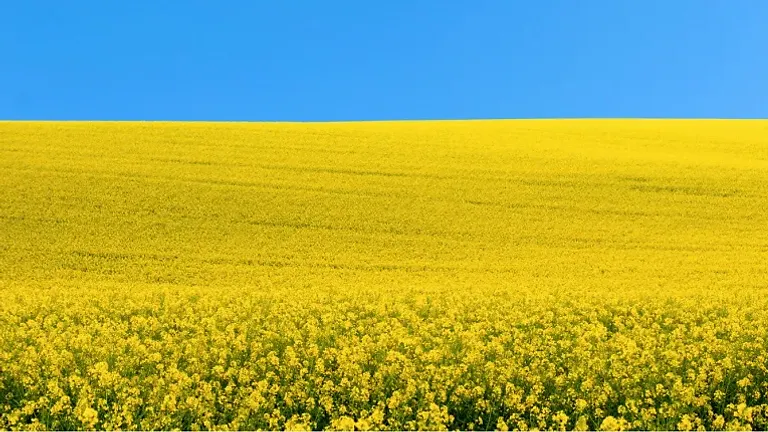
South Africa’s canola plantings are expected to reach a record 192 300 hectares in 2026, with approximately 188 000 hectares in the Western Cape. Grain SA says the crop has evolved from a rotational tool into an important economic driver, supported by advances in genetics, technology and market development. Proposed investment in a canola crushing facility in the Swartland by 2027 could strengthen regional processing capacity and value addition. However, sustainable growth will depend on continued breeding innovation, profitable producers, expanded feed markets and access to domestic and international buyers.
Read full story: Food For Mzansi
Date published: September 15, 2026
South Africa’s Bees Are Vital to Agricultural Productivity
South Africa should view bees as agricultural infrastructure rather than simply an environmental concern, given their role in pollinating crops such as avocados, macadamias, berries, fruit and nuts. Beekeeper Danie Vorster and co-founder Liana van Rensburg of Hive & Earth emphasise responsible beekeeping that considers landscapes, flowering periods and forage availability. Their “Bloom to Bottle” approach includes harvesting fully ripened honey in small, traceable batches while keeping regional harvests separate. The company also highlights honey’s natural variation, including crystallisation, arguing that its flavour and characteristics reflect the plants, weather and landscape where it is produced.
Read full story: Hive & Earth Press release
Date published: Not available
African News
Climate Change Increases Violence Against African Rainmakers
Rainmakers, who traditionally perform rituals to summon or prevent rainfall, are facing growing violence as erratic weather patterns threaten farmers’ livelihoods. In eastern Uganda, rainmaker David Nabutsilili was seriously injured after farmers blamed him for excessive rain that flooded their crops. In South Sudan, at least two rainmakers have reportedly been killed in the past two years, including men buried alive during droughts. Researchers say climate change is bringing more frequent droughts and sudden, intense rainfall, while many communities continue to depend on rainmakers’ services. Fees, expectations and rivalries can further fuel accusations and violence.
Read full story: The Independent
Date published: September 15, 2026
Global News
Canada Announces $1 Billion Fund to Expand Domestic Agri-Food Processing
Canada’s federal government has announced a $1 billion Agri-Food Project Finance Fund to support processing and manufacturing projects, with the aim of keeping more value-added agricultural production within the country. Delivered by Farm Credit Canada, the fund will target mid-market projects costing between $25 million and $500 million that may be too large or complex for conventional lenders. A 60-day expression of interest process has opened, although funding is not guaranteed. The government also announced $150 million for Velocity Agri-Capital Partners to support Canadian agri-food businesses seeking to expand into Southeast Asian export markets.
Read full story: CBC News
Date published: September 14, 2026
Autumn Watermelon Production Expands in Japan as Demand Drives Prices
Farmers in Tomisato, Chiba Prefecture, are expanding autumn watermelon production to meet strong post-summer demand and benefit from tighter supplies. The local agricultural cooperative, JA Tomisato City, expects to ship approximately 70,000 watermelons in September and October 2026, nearly double the volume recorded in 2023. Autumn crops are planted in June and July after spring and summer harvests, allowing farmers to reuse materials and avoid some labour-intensive practices. With autumn watermelons selling for 10% to 20% more than earlier-season fruit, 55 farmers are now growing the crop, supported by the cooperative’s promotional efforts.
Read full story: Mainichi Japan
Date published: September 15, 2026
El Niño Drought Threatens Crops Across Central America
A strengthening El Niño event has triggered drought emergencies in El Salvador, Honduras and Panama, with severe impacts on maize and bean production across Central America’s Dry Corridor. More than 3.2 million people in Guatemala alone are reported to be facing acute humanitarian needs. El Salvador has recorded major rainfall deficits, prolonged dry spells and record temperatures, while Panama faces water stress affecting agriculture, drinking-water treatment and hydroelectric generation. The wider climate pattern is also affecting East and southern Africa, where drought threatens crops and livestock. However, conditions remain favourable in parts of Asia, the Middle East and southern South America.
Read full story: Global Agriculture
Date published: September 14, 2026
Cultivating Malaysia’s Next Generation of Farmers
Malaysia’s ageing agricultural workforce highlights the need to attract more young people into farming, but simply encouraging Gen Z to become farmers may not be enough. Research indicates that higher incomes are the strongest incentive for young people to consider agricultural careers, while training and skills development are also important. Modern technologies such as drones, sensors, automated irrigation and data-driven farming could make the sector more attractive and productive. However, retaining agricultural knowledge is equally important, with experienced farmers able to pass on skills that technology cannot replace. Greater collaboration between generations could combine traditional expertise with new digital capabilities.
Read full story: New Straits Times
Date published: September 15, 2026










