

South African News
Rising Fruit Volumes Put Pressure on South African Export Returns
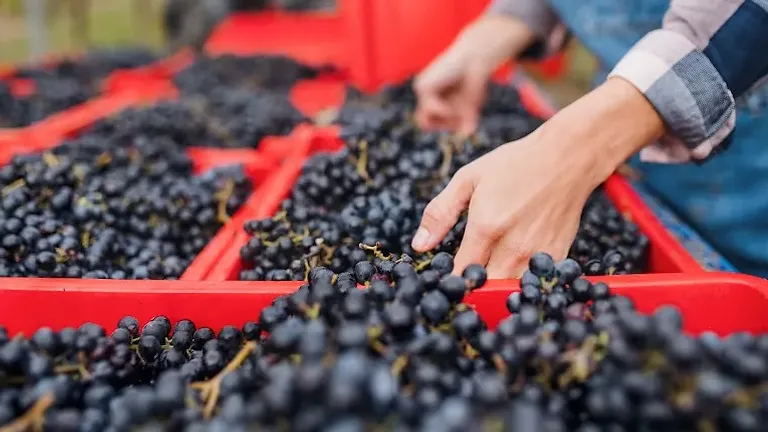
South Africa’s growing fruit production will only improve profitability if exporters can secure sufficient markets, reliable logistics and competitive prices. Absa’s Agri Trends 2026 Spring Edition highlighted citrus as particularly exposed to limited market diversification, with Middle Eastern disruptions forcing exporters to seek alternative destinations. Table grapes showed the impact of logistical failures, with an 8% increase in exports during 2025/26 but delays at the Port of Cape Town causing fruit to reach markets alongside competing supplies, depressing prices and contributing to quality losses. Industry losses from port disruptions were estimated at more than R3 billion, highlighting the need for broader market access and more reliable export infrastructure.
Read full story: Farmer’s Weekly
Date published: September 23, 2026
Daily Biosecurity Key to Protecting Pig Farms from African Swine Fever
African swine fever (ASF) can spread rapidly through pigs, people, vehicles, equipment, feed and contaminated materials, making daily biosecurity essential. South African experts advise keeping domestic pigs separated from wild suids (swine) through secure fencing, sourcing new animals from traceable suppliers and quarantining them for at least 28 days. Farm access should be restricted and visitors logged, while equipment and vehicles must be thoroughly cleaned of organic matter before disinfection. Farmers should also prohibit untreated swill feeding, monitor herds daily for signs of disease and immediately halt movements and contact state veterinary authorities if ASF is suspected.
Read full story: Food For Mzansi
Date published: September 22, 2026
African News
Urban Farming and Waste Recycling Could Create Youth Opportunities in Kampala
Kampala Lord Mayor Ronald Nsubuga Balimwezo has encouraged young people to pursue urban agriculture as a source of income while helping tackle the city’s growing waste-management problems. During a visit to a demonstration farm in Kyanja, he highlighted soilless farming technologies that allow crops to be grown with limited land. Balimwezo said such ventures could attract investment if properly organised and documented. He also called for waste to be treated as a resource, with recycling technologies used to create useful products. He warned that disagreements between government agencies could hinder efforts to improve waste collection, recycling and disposal.
Read full story: All Africa
Date published: September 22, 2026
Global News
US Beef Imports Raise Concerns for Minnesota Dairy Farmers
The decision to allow an additional 300,000 metric tonnes of imported beef into the US has raised concerns among farmers already facing market pressures. Minnesota dairy farmer Darrel Mosel said imported beef could reduce returns for dairy producers because cattle are sold for slaughter once their milking lives end. Farmer groups argue that increased imports are only a short-term response to high consumer prices while US cattle producers recover from drought-related herd reductions. Farmers are also calling for mandatory country-of-origin labelling to help consumers distinguish domestically produced beef, following its repeal for beef and pork a decade ago.
Read full story: Big News network
Date published: September 23, 2026
Mexico Expands Direct Farm-To-Consumer Sales Channels
Mexico’s Ministry of Agriculture and Rural Development has opened a coffee shop and retail space in Mexico City to help farmers sell products directly to retailers and consumers, reducing reliance on intermediaries. The CACfetería stocks coffee and processed foods from farming communities across the country, including honey, jams, banana flour and traditional sweets. The initiative also encourages businesses to establish direct relationships with producers. Alongside improving market access, Mexico is strengthening coffee production through training for 48 technical specialists in pest management across the country’s 10 main coffee-producing states. The measures aim to support farmer incomes while protecting coffee production and plant health.
Read full story: Mexico Business News
Date published: September 22, 2026
Australian Farmers Increasingly Consider Renewable Energy Opportunities
Australian farmers are becoming more receptive to renewable energy projects as financial incentives and opportunities to diversify farm income become more attractive. Smaller-scale renewable projects are gaining particular support because they can provide additional income or help farms become more energy independent while having less impact on agricultural land. However, large-scale wind farms and transmission infrastructure continue to face resistance over concerns about land use, roads, power lines and groundwater impacts. Energy experts say greater transparency, early consultation and clear evidence about potential impacts are needed to build farmer support. Government incentives could further encourage farmers to adopt renewable technologies on their properties.
Read full story: ABC News
Date published: September 23, 2026
Japan Expands Heat-Resistant Rice to Counter Rising Temperatures
Japanese farmers are increasingly adopting heat-resistant rice varieties as record temperatures and low rainfall threaten crop yields and quality. In Saga prefecture, varieties such as hinatamaru now account for almost 67% of rice-growing areas, while nationally heat-tolerant strains covered a record 248,000 hectares last year, or 18% of the rice crop. Prolonged heat after flowering can produce poor-quality grains that are unsuitable for commercial sale, while extreme conditions are also changing farming practices. Researchers are developing new varieties through cross-breeding and field trials, with farmers increasingly viewing heat tolerance as essential to maintaining production as Japan’s climate warms.
Read full story: The Guardian
Date published: September 23, 2026










