
.png)
.png)

15 July '26 - Today in Farming
15 Jul 2026
South African News
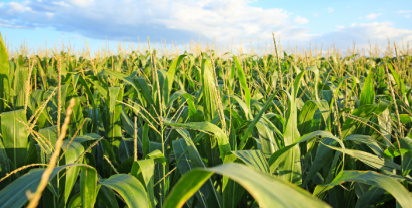
Delayed maize harvest still on course for South Africa’s record crop
South Africa’s maize harvest is around 14% behind last year’s pace, but agricultural economists say the delay is largely due to a late, unusually wet growing season rather than poor production. Around 6.4 million tonnes have been delivered to commercial silos so far, with the country still expected to produce a record 17.25 million tonnes of maize. Crop quality has remained strong despite prolonged rainfall, while improved soil moisture could benefit the next planting season if drier El Niño conditions develop. Consumers are expected to benefit from lower grain prices, although reduced prices may squeeze farmers’ profits amid high input costs.
Read full story: Algoa FM
Date published: July 14, 2026
Supplemental lighting helps maximise greenhouse crop quality and yields
Supplemental lighting plays an important role in hydroponic greenhouse production by improving crop quality, increasing yields and helping growers control plant development. While South Africa’s abundant sunshine means artificial lighting is mainly used to complement natural light, it can extend daylight hours, encourage flowering and support additional growing cycles. Modern greenhouses are designed to maximise natural light, with LEDs increasingly replacing older lighting technologies because they are more energy efficient and offer greater control over light spectrums, despite higher upfront costs. Greenhouse lighting must be carefully integrated with irrigation, climate control and nutrition systems to optimise productivity and meet the specific needs of different crops.
Read full story: Farmer’s Weekly
Date published: July 14, 2026
African News
FAO provides agricultural support to 210,000 conflict-affected people in north-east Nigeria
The UN Food and Agriculture Organisation (FAO) has begun distributing agricultural inputs to around 210,000 people affected by conflict in Borno, Adamawa and Yobe states to help restore farming and strengthen food security. The programme will support 30,000 farming households with improved seeds, fertiliser, livestock feed, poultry, goats and nutritional food, funded by Norway, Switzerland and Japan. FAO is also investing in longer-term initiatives, including irrigation, aquaculture and climate-smart agriculture. The intervention comes as food insecurity continues to worsen across Nigeria, with millions expected to face severe shortages during the June to August lean season due to conflict, displacement, climate pressures and rising food prices.
Read full story: Nigerian Tribune Online
Date published: July 14, 2026
Global News
Australian pineapple growers showcase innovation and sustainable farming
Australia’s pineapple industry will highlight the latest advances in agricultural technology and sustainability at the 2026 Pineapple Field Days in Hervey Bay on 30–31 July. The event will bring together growers, researchers and industry partners to demonstrate innovations aimed at improving fruit quality, productivity and environmental outcomes. Highlights include AI-assisted harvesting technology that selectively picks ripe fruit, drone demonstrations for crop monitoring and farm management, and research into new pineapple varieties with greater consistency and reduced natural flowering. Sustainable practices, including zero-till planting and improved soil and water management, will also be showcased to support long-term productivity and protect the environment.
Read full story: Fruit Net
Date published: July 13, 2026
President Prabowo says Indonesia is on course to become a global food powerhouse
President Prabowo Subianto has said Indonesia is well positioned to become a leading global food producer, citing rising agricultural output and continued investment in infrastructure. Speaking at the inauguration of five dams in West Nusa Tenggara, he stressed the importance of effective water management to support farmers and boost productivity. He also highlighted Indonesia’s shift from food imports towards exports, claiming several countries have sought agricultural supplies from the nation. Alongside food production, Prabowo reaffirmed support for the Free Nutritious Meals programme and announced plans for further strategic investments, including larger dams and solar power projects, to strengthen food and energy security.
Read full story: Cabinet Secretariat of the Republic of Indonesia
Date published: July 10, 2026
China closes in on France’s foie gras production lead
China is on track to overtake France as the world’s largest producer of foie gras after rapidly expanding production through state-backed investment in large-scale farming. Chinese output reached 14,000 tonnes in 2025, just below France’s 15,044 tonnes, while accounting for around 45% of global supply. Lower production costs have made Chinese foie gras more affordable, with most of it consumed domestically in a variety of dishes. Although exports remain limited by regulations, producers are beginning to target international markets. European import rules and animal welfare concerns in some countries are expected to present challenges to wider global expansion.
Read full story: Yahoo Finance
Date published: July 14, 2026
Kentucky speciality farmers shift harvests to dawn as extreme heat intensifies
Speciality farmers in Kentucky are increasingly harvesting crops before sunrise to avoid extreme heat that threatens crop quality, worker safety and productivity. Recent heatwave conditions have forced many growers to reorganise their working day, with high afternoon temperatures making harvesting more difficult. Farmers say existing US federal crop insurance schemes provide limited support because they are largely designed for large-scale commodity crops rather than diverse, small-scale fruit and vegetable farms. Industry representatives argue that current insurance programmes are failing to keep pace with the growing impact of climate-related extreme weather and need reform to better protect speciality producers from future losses.
Read full story: Agro Insurance
Date published: July 13, 2026
Share this article 

More News
South African News Agricultural Science Key to South Africa’s Food Security and GrowthSouth…
South African News Sugar Industry Faces Labour Crisis as Foreign Cane Cutters Flee Violence…
South African News Free State FMD Outbreak Grows as Vaccine Shortages Hamper Control…
South African News South African Agriculture Better Prepared as El Niño Threat LoomsSouth…
South African NewsRooibos seeds to travel to the International Space Station for pioneering South…
South African NewsSouth Africa Warned of Wheat Supply Crisis Amid Import Dependence South…