South African News Agricultural Science Key to South Africa’s Food Security and GrowthSouth…

.png)
.png)

South African News
Grain SA says farmers should not shoulder blame for rising food prices
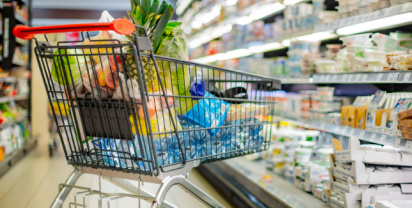
Grain SA has told the South African Human Rights Commission that farmers play a vital role in safeguarding the country’s food security but should not be held solely responsible for increasing food prices. Chief executive Dr Tobias Doyer said the cost of food is driven by a range of factors beyond the farm gate, including fuel, electricity, transport, packaging and retail costs. The organisation also highlighted the need for better infrastructure, fair trade, innovation and farmer support programmes to strengthen agricultural productivity. Grain SA argued that a sustainable and profitable farming sector is essential to protecting both food affordability and long-term food security.
Read full story: Food for Mzansi
Date published: July 16, 2026
Weekly stock theft continues to place growing strain on South African farmers
Stock theft remains a persistent threat to South African farmers, with new incidents reported almost every week despite ongoing police efforts. Official South African Police Service statistics show that more than 43,000 livestock animals were stolen between January and March 2026, with sheep, goats and cattle most heavily targeted. Farmers are increasingly investing in private security as organised criminal syndicates continue to target rural communities. While joint operations between police and farmers have led to arrests and the recovery of stolen livestock, authorities continue to urge farmers to report theft promptly, maintain livestock registers, brand animals and work closely with local stock theft units to combat the growing problem.
Read full story: Food for Mzansi
Date published: July 16, 2026
African News
Nigeria and Morocco join forces on agricultural intelligence to strengthen food security
Nigeria is partnering with Morocco to establish its first national geospatial agricultural intelligence platform, aimed at improving food security through real-time data and technology. The initiative will provide information on crop locations, farmland availability, production forecasts and emerging food security risks to support better planning and policymaking. Led by the Presidential Food Systems Coordinating Unit, the project will begin with a six-month pilot in three states before expanding nationwide. The partnership with OCP Africa and Ground Truth Analytics comes as Nigeria seeks to address rising food inflation, climate-related disruptions and insecurity affecting agricultural production.
Read full story: The Guardian
Date published: July 16, 2026
Global News
Australian government defends proposed increase in pesticide limits for berries
The Australian government is seeking to reassure consumers following a proposal to raise the permitted residue levels of the pesticide isocycloseram on berries. The Australian Pesticides and Veterinary Medicines Authority maintain the proposed limits are safe and based on rigorous scientific assessment, despite concerns from campaign group Pesticide Action Australia, which cited animal studies involving high doses. Farmers have warned that misinformation could damage confidence in the berry industry, while health experts advise that washing berries can help reduce pesticide residues. Public consultation on the proposed changes has now closed.
Read full story: 7 News
Date published: July 16, 2026
Cuban farmers turn to oxen as fuel shortages deepen agricultural crisis
Cuban farmers are increasingly replacing tractors with oxen as severe fuel shortages and ongoing economic pressures undermine agricultural production. Organic farmer Alexander Quesada said rising diesel costs and declining tourism have forced him to abandon higher-value crops in favour of cheaper staples that generate little profit. Across the country, shortages of fuel, fertiliser, seeds and electricity are reducing farm output, while many producers struggle to stay afloat. Although the Cuban government has announced reforms to expand private sector involvement in agriculture, farmers remain concerned that limited access to capital and the impact of US sanctions will continue to hinder food production and investment.
Read full story: Japan Times
Date published: July 16, 2026
Canada invests in AI technology to support climate-smart farming
The Canadian government is investing up to $1.65 million in Toronto-based A.U.G. Signals Ltd. to develop artificial intelligence tools that improve crop monitoring and yield forecasting. Funded through the AgriScience Programme under the Sustainable Canadian Agricultural Partnership, the three-year project will combine satellite, drone and field data to provide farmers with real-time insights into crop emergence, biomass, drought conditions and expected yields. The company will also collaborate with Agriculture and Agri-Food Canada scientists to validate the technology. The initiative aims to strengthen climate resilience, improve productivity, support food security and help position Canada as a leader in sustainable agriculture.
Read full story: Farms.com
Date published: July 15, 2026
IUCN urges stronger action to deliver sustainable EU livestock strategy
The International Union for Conservation of Nature (IUCN) has welcomed the European Commission’s new EU Livestock Strategy for recognising the role of sustainable livestock farming in tackling climate change, biodiversity loss and food insecurity. However, it says the strategy requires stronger policy measures, better funding and closer alignment with environmental legislation to achieve its goals. IUCN is calling for greater use of nature-based solutions, improved water management and sustainable grazing practices to restore ecosystems and strengthen agricultural resilience. It also urged the European Union to demonstrate global leadership on land restoration at the upcoming UNCCD COP17 conference.
Read full story: International Union for Conservation of Nature (IUCN)
Date published: July 16, 2026

