
.png)
.png)

28 July '26 - Today in Farming
28 Jul 2026
South African News
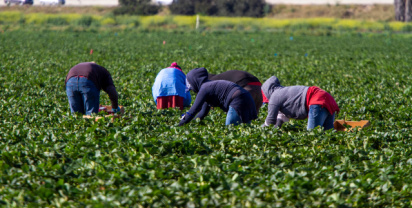
Mass Migrant Exodus Leaves South African Farms and Factories Short of Workers
South Africa is facing significant labour shortages after more than 160,000 foreign workers left the country following anti-migrant violence and stricter immigration enforcement. Agriculture has been particularly affected, with farms struggling to harvest crops and sugar producers warning of reduced production. Manufacturing businesses are also reporting shortages of skilled workers. While some employers argue migrant labour is essential because many local people are unwilling to take physically demanding jobs, unions claim businesses rely on foreign workers because they are cheaper and more vulnerable to exploitation. The government is expanding visa schemes while considering regulated seasonal worker programmes to address workforce shortages.
Read full story: Nova News
Date published: July 26, 2026
Genetics and Careful Breeding Key to Profitable Sheep Farming
A tribute to respected Meatmaster breeder Charles Freeme highlights how disciplined breeding and continuous learning helped build a successful sheep enterprise in South Africa’s Northern Cape. Freeme believed profitability began with strong genetics, careful animal selection and maintaining detailed performance records, rather than simply increasing flock size. He encouraged farmers to invest time learning from experienced breeders before buying livestock, famously advising them to “burn diesel before you buy sheep”. His breeding philosophy prioritised fertility, structural soundness, resilience and productivity under extensive grazing conditions, creating sheep suited to commercial farming and the challenges of drought and rising production costs.
Read full story: Farmers Weekly
Date published: July 27, 2026
African News
Nigeria Warned of Possible Rice and Tomato Shortages Within Three Months
Nigeria could face shortages of rice, tomatoes and other staple foods within the next three months unless urgent action is taken to strengthen food production and distribution, according to the Organisation for Technology Advancement of Cold Chain in West Africa (OTACCWA). The group says declining crop production, insecurity, rising transport costs, poor storage facilities and supply chain disruptions are threatening food availability. It is calling for coordinated action to improve security, expand irrigation, invest in cold-chain infrastructure, upgrade transport networks and reduce post-harvest losses. Better access to seeds and fertiliser is also needed to help boost agricultural production and stabilise food supplies.
Read full story: Nigeria Info
Date published: July 26, 2026
Global News
European Heatwaves Hit Vegetable Crops and Raise Supply Concerns
Successive heatwaves and drought across Europe are reducing vegetable yields, affecting crop quality and putting pressure on supplies. Farmers in several countries are reporting lower production of crops including salads, broccoli, cauliflower, spinach, carrots and onions, while potato growers are also concerned about declining yields. French growers have warned of potential shortages in shops, saying imports may not be enough to meet demand. Although Irish retailers say supplies remain stable for now, they acknowledge some crops are under pressure. The European Union has also approved more than €56 million in support for farmers affected by extreme weather and climate-related losses.
Read full story: Agriland
Date published: July 26, 2026
Farming Continues to Be Australia’s Deadliest Industry
Agriculture remains Australia’s most dangerous industry, with 53 farm deaths recorded last year and livestock-related insurance claims reaching their highest level in a decade, according to a new Farmsafe Australia report backed by WFI Insurance. Livestock injury claims increased by 40%, while impact-related injuries also rose despite an overall 5% fall in farm insurance claims. Tractors, quad bikes and utility vehicles were the leading causes of fatalities, with grain and livestock farms accounting for the largest share of incidents. The report urges farmers to prioritise simple safety measures, particularly during busy harvest periods when accident rates typically increase.
Read full story: Insurance News
Date published: July 27, 2026
Japan Considers Easing Import Restrictions on Fresh US Potatoes
Japan is assessing whether to lift long-standing restrictions on imports of fresh potatoes from the United States, following a request from Washington. Raw potato imports are currently banned because of concerns over pests and diseases, with a limited exception for US potatoes used to make crisps. The agriculture ministry is carrying out a quarantine risk assessment, an early stage in the approval process that could eventually lead to wider imports. The proposal comes as demand for fresh potatoes grows while domestic production declines. However, Japanese potato growers have warned that imported pests could threaten crop yields and have lasting consequences for the industry.
Read full story: NHK World-Japan
Date published: July 27, 2026
Report Warns China Is Expanding Corporate Control of the Global Seed Industry
A new report by international advocacy group GRAIN claims China is increasingly adopting a corporate seed model similar to that long criticised in Western agribusiness. The report says government-backed companies are expanding their control over seed breeding, genetically modified crops, germplasm collections and intellectual property rights, both within China and overseas. It argues this could reduce farmers’ ability to save and exchange seeds while increasing dependence on large corporations. Chinese seed companies are also expanding rapidly across Latin America, Africa and Asia, with critics warning this may threaten biodiversity, local food systems and farmers’ seed sovereignty, although these claims reflect the report’s perspective.
Read full story: Counter View
Date published: July 27, 2026
Share this article 

More News
South African News Mass Migrant Exodus Leaves South African Farms and Factories Short of…
South African News Agricultural Science Key to South Africa’s Food Security and GrowthSouth…
South African News Sugar Industry Faces Labour Crisis as Foreign Cane Cutters Flee Violence…
South African News Free State FMD Outbreak Grows as Vaccine Shortages Hamper Control…
South African News South African Agriculture Better Prepared as El Niño Threat LoomsSouth…
South African NewsRooibos seeds to travel to the International Space Station for pioneering South…