South African News
SAFDA CEO Reflects on a Decade of Transforming South Africa's Sugar Industry
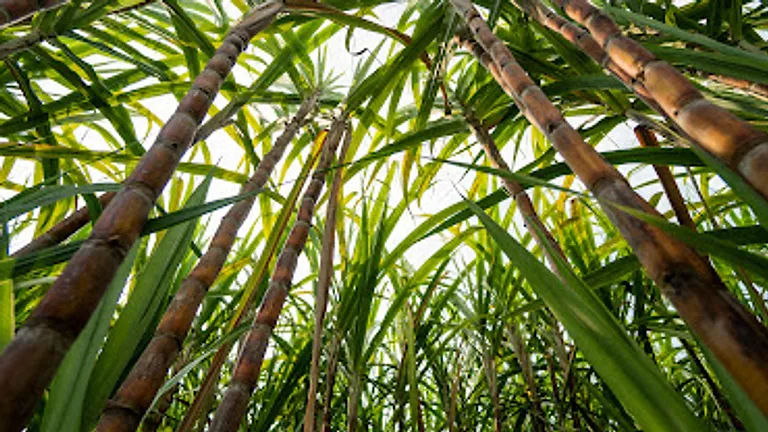
Reflecting on a decade of transformation in South Africa's sugar industry, Sifiso Mhlaba, CEO of the South African Farmers Development Association (SAFDA), highlights the significant challenges and achievements during his tenure. A major concern has been the sugar tax, introduced in 2018, which led to substantial revenue losses, job cuts, and the closure of two mills in KwaZulu-Natal. SAFDA has been advocating for an extension of the moratorium on this levy until 2030 to allow time for industry diversification. Mhlaba emphasises the importance of the Sugarcane Value Chain Master Plan for 2030, aiming for sustainability through local market optimisation and clear diversification strategies. He remains hopeful that, with the right mindset and support, the industry's fortunes can improve, focusing on sustainability and job creation.
Read full story here: Food for Mzansi
Date Published: January 27, 2025
Unreported Livestock Theft Undermines South African Agricultural Security
A significant number of livestock theft incidents in South Africa go unreported, leading to substantial economic losses and hindering effective law enforcement. The 2018 Victims of Crime report revealed that only 29% of livestock theft cases were reported during the 2017/18 financial year, leaving 71% unreported. This underreporting impedes the South African Police Service's (SAPS) ability to address the issue comprehensively. The report estimated that approximately 170,000 goats and 270,000 sheep were stolen during that period. Farmers are urged to report all thefts promptly to enhance crime statistics accuracy and support targeted interventions to combat livestock theft.
Read full story here: AgriOrbit
Date Published: January 27, 2025
African News
Communities in Western Kenya Revitalise Agriculture Through Nature-Positive Practices
In Western Kenya, particularly in Nyando, Kisumu County, over 100 communal landowners have dedicated 76 hectares to establish nature-positive farms under the CGIAR Initiative on Nature-Positive Solutions. This collaborative effort aims to transform degraded communal lands into productive areas through permaculture, enhancing food diversity, livelihoods, and environmental health. The initiative also supports community seed banks, improving farmers' access to diverse crop varieties and bolstering food security. By embracing sustainable practices, these communities are setting a precedent for agricultural transformation in the region.
Read full story here: CGIAR
Date Published: January 27, 2025
Global News
New Zealand's Fruit Production Faces Long-Term Challenges Post-Cyclone Gabrielle
Cyclone Gabrielle has inflicted severe damage on New Zealand's key horticultural regions, notably Gisborne and Hawke's Bay, leading to significant reductions in fruit and vegetable outputs. Industry assessments indicate that some growers have lost entire orchards, infrastructure, and homes, with recovery efforts expected to span several years. The pipfruit sector in Hawke's Bay has been particularly affected, experiencing a 33% decrease in crop yield. Industry leaders are calling for increased government support to aid in the rebuilding process and to ensure the long-term viability of the country's horticultural industry.
Read full story here: Farmers Weekly
Date Published: January 27, 2025
UK Milling Wheat Imports Reach Decade High Due to Domestic Shortfalls
The United Kingdom has seen a dramatic rise in milling wheat imports, hitting the highest level in a decade. This increase is driven by challenging weather conditions that negatively impacted domestic wheat quality and a significant reduction in the planted area. These factors have forced the UK to depend heavily on imported high-protein wheat to satisfy the demands of flour millers and bakers. The situation highlights vulnerabilities in the UK's agricultural sector, prompting experts to call for improved strategies to boost domestic production, ensure better resilience, and reduce reliance on imports to meet national demand.
Read full story here: The Scottish Farmer
Date Published: January 26, 2025
Severe Cold Snap Threatens Up to 15% of U.S. Winter Wheat Crop
A recent Arctic blast has led to a significant drop in temperatures across key U.S. wheat-growing regions, notably the Plains and Midwest. The Commodity Weather Group reports that the absence of protective snow cover has left winter wheat crops vulnerable to "winterkill," potentially resulting in losses of up to 15% in certain areas. Meteorologist Joe Woznicki highlights that regions from Montana through northern Texas, including top producer Kansas, were particularly affected. The full extent of the damage will become clearer as crops emerge from dormancy in the spring. Given that the U.S. is the world's fifth-largest wheat exporter, such losses could have significant implications for global wheat supply.
Read full story here: Canadian Cattlemen
Date Published: January 25, 2025
Reevaluating Calf Nutrition: Advocating for Increased Milk Intake
In light of the upcoming calving season, veterinary consultant Tommy Heffernan emphasizes the importance of reassessing traditional calf-feeding practices. He advocates for providing calves with at least 3 litres of milk twice daily, highlighting that adequate intake of amino acids, fats, and energy is crucial for optimal growth and immunity. Heffernan predicts that in the near future, increasing milk allowances for calves will become standard practice. He also underscores the significance of consistent feeding routines and stringent hygiene measures to prevent bacterial contamination, ensuring the overall health and development of the calves.
Read full story here: Agriland
Date Published: January 25, 2025