

South African News
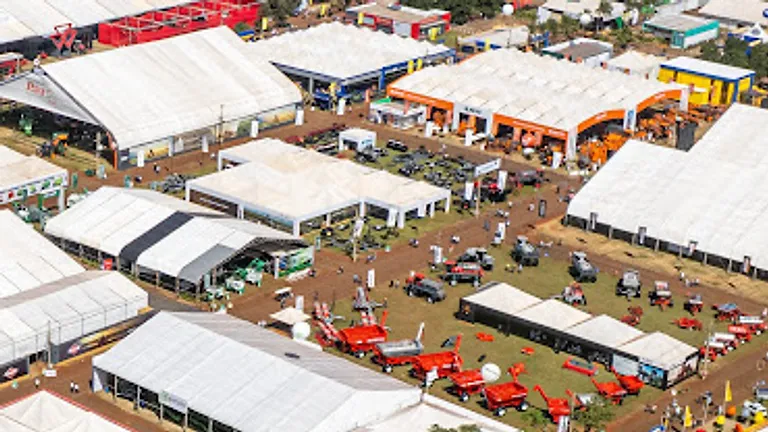
NAMPO 2026 highlights record attendance amid deepening pressure on South African agriculture
NAMPO Harvest Day 2026 recorded its highest ever exhibitor participation and a record Wednesday attendance, even as South African agriculture faces mounting strain from rising input costs, disease pressures and volatile global markets. Held at NAMPO Park near Bothaville, the event featured 910 exhibitors and attracted over 81,000 visitors across the week. Despite operational challenges, including foot-and-mouth disease restrictions that prevented livestock displays, discussions focused heavily on farm profitability, sustainability and financial pressure. Industry leaders warned that escalating fertiliser and fuel costs, alongside logistics bottlenecks and trade uncertainty, are undermining viability. Calls were made for improved export competitiveness, better infrastructure, and land reform measures such as issuing title deeds to successful farmers on state land.
Read full story: Farm.co.za
Date published: May 19, 2026
Farmers Face Mounting Pressure as Costs Rise and Markets Shrink
South African farmers are under growing financial strain as rising input costs and weak commodity prices erode already thin profit margins. Speaking at Nampo 2026, agricultural leaders warned that producers have little room left to improve efficiencies and that broader structural support is urgently needed. While some farmers have benefited from strong grain seasons and soya bean production in recent years, global oversupply is now depressing prices. Experts said profitability now depends on careful cost management, strategic technology investment, and better data use rather than maximising yields. They also stressed that improvements to rail, ports, and export infrastructure are essential to unlock new markets and restore profitability for producers.
Read full story: Farmer's Weekly
Date published: May 18, 2026
African News
Morocco Strengthens Position in Spain’s Olive Oil Market
Morocco is rapidly expanding its olive oil exports to Spain as rising production and modernised agricultural infrastructure improve the country’s competitiveness. Spanish trade data showed Moroccan olive oil shipments surged to nearly 3,000 tonnes during the first two months of 2026, up sharply from the previous year. Industry experts attribute the growth to investments in modern olive groves, upgraded milling facilities, and sustainable farming initiatives. Morocco is also benefiting from programmes aimed at improving water efficiency and crop productivity, with some regions reporting yield increases of around 20%. National olive oil production is expected to reach 200,000 tonnes this season, more than double last year’s output.
Read full story: Morocco World News
Date published: May 18, 2026
Global News
EU Turns to Manure Recycling as Fertiliser Costs Surge
The European Commission is preparing a long-term strategy to tackle rising fertiliser costs by increasing the use of manure and organic farm waste as alternative fertilisers. The plan comes as soaring gas prices and disruption linked to the war in Iran drive fertiliser prices sharply higher, raising concerns over future food costs across Europe. Farmers and industry groups have criticised the proposal for lacking immediate financial relief, arguing that practical short-term measures were avoided due to political sensitivities. Brussels instead plans regulatory reforms to reduce dependence on imported fossil-based fertilisers, while also promoting cleaner domestic production and sustainable agricultural practices over the longer term.
Read full story: POLITICO Europe
Date published: May 18, 2026
New Genetics Tool Aims to Improve Sheep Flock Performance
Beef + Lamb New Zealand has launched a new digital tool designed to help sheep farmers better understand the genetic value of their flocks and improve farm decision-making. The nProve Tracker tool analyses ram purchasing and mating information to provide farmers with a clearer picture of flock genetic merit over time. Developers say the system will help identify opportunities to improve productivity, efficiency, and profitability through better breeding and management decisions. The tool also aims to help farmers demonstrate the long-term value of investment in quality genetics when selling stock or planning future business strategies. It was developed through the Cool Sheep® Programme in partnership with New Zealand’s Ministry for Primary Industries.
Read full story: Beef + Lamb New Zealand
Date published: May 19, 2026
Thailand Strengthens Durian Quality Controls to Protect Export Growth
Thailand is tightening quality standards across its durian industry as part of efforts to strengthen consumer confidence and maintain its position as the world’s leading durian exporter. The Ministry of Agriculture and Cooperatives has introduced stricter enforcement of its “Four No’s” policy, which bans the sale of unripe, pest-damaged, falsely certified, or chemically contaminated fruit. Authorities are also increasing inspections throughout the supply chain, including checks on fruit maturity, pest management, traceability, and chemical residue testing. Additional logistics and export support measures have been introduced to reduce costs and speed up deliveries during the peak harvest season. The government expects durian export revenues to exceed 150 billion baht in 2026.
Read full story: Xinhua News Agency
Date published: May 18, 2026
UN warns global food shortages likely as fertiliser costs surge
The head of the UN Development Programme has warned that parts of the world could face food shortages from September or October due to a sharp decline in fertiliser production linked to high energy prices and geopolitical conflict. Speaking in Tokyo, Alexander De Croo said surging oil costs and disruption in the Strait of Hormuz are pushing fertiliser prices to unsustainable levels, with poorer countries likely to be hardest hit as supplies fail to arrive. He cautioned that inflation, energy instability and reduced international aid will persist through the year, worsening global food insecurity. De Croo urged urgent international cooperation, warning that instability in conflict regions could quickly have global consequences.
Read full story: Japan Times
Date published: May 19, 2026










