South African News
Standard Bank Channels $208.1 Million into Climate-Smart Agriculture in South Africa
Standard Bank Group invested R3.45 billion ($208.1 million) in climate-smart agriculture over the past year to help South African farmers improve resilience, productivity and food security amid growing climate challenges. The funding supports initiatives such as water-efficient irrigation, renewable energy projects, regenerative farming practices and precision agriculture technologies. The bank highlighted the importance of accessible finance in enabling farmers to adopt sustainable and efficient farming methods while managing climate-related risks. Standard Bank also emphasised that climate-smart agriculture can reduce emissions, protect natural resources, support biodiversity and strengthen rural economies as climate pressures on the agricultural sector continue to increase.
Read full story:Zawya
Date Published: June 25, 2026
Corteva Warns Farmers to Spot Herbicide Resistance Before Control Failures Occur
Corteva Agriscience is urging South African farmers to recognise the early warning signs of herbicide resistance before it leads to widespread weed control failures. The company says resistance develops gradually, often appearing first as isolated patches of surviving weeds rather than complete herbicide failure. Repeated use of the same herbicides, limited crop rotation and monoculture systems can accelerate the problem. Corteva advises farmers to monitor weed performance closely, maintain detailed field records and investigate potential resistance rather than assuming poor spraying conditions are to blame. Early detection, diversified weed management strategies and resistance testing are critical to preserving herbicide effectiveness and protecting long-term crop productivity.
Read full story:Pro Agri Media
Date Published: June 24, 2026
African News
Study Warns Ghana’s Cocoa Industry Needs Farmer-Focused Climate Policies
A new study has warned that Ghana’s cocoa sector faces growing risks unless climate adaptation policies place greater emphasis on the wellbeing and resilience of cocoa producers. Researchers found that climate change is increasing temperatures, droughts, production costs and labour pressures, while reducing yields and creating uncertainty for farming communities. The report argues that existing strategies focus too heavily on boosting production and protecting crops, rather than supporting farmers themselves. It proposes an eight-point agenda that includes climate-smart financing, water management, income support and greater farmer participation in decision-making, stressing that the long-term sustainability of Ghana’s cocoa industry depends on the resilience of its producers.
Read full story:Enviro News Nigeria
Date Published: June 25, 2026
Global News
EU Faces Challenge of Balancing Flexibility and Unity in Future Farm Policy
European Union agriculture ministers have called for greater national flexibility in the Common Agricultural Policy (CAP) planned for 2028–2034, sparking debate over how to maintain a unified farm support system across all member states. Meeting in Luxembourg, ministers argued that farmers need more freedom to adapt income support and environmental measures to local conditions while preserving fair competition across the bloc. The discussions come amid increasing pressures from climate change, market volatility, food security concerns and declining farm incomes. Ministers also pushed for simpler rules to reduce administrative burdens, highlighting the challenge of creating a policy that accommodates diverse agricultural systems without weakening the CAP’s common framework.
Read full story:EU Perspectives
Date Published: June 24, 2026
Australian Desert Farm Produces 15,000 Tonnes of Tomatoes Using Solar Power and Seawater
Sundrop Farms in Port Augusta, South Australia, has demonstrated how advanced technology can enable large-scale food production in arid environments. The facility uses concentrated solar power, desalinated seawater and hydroponic growing systems to produce more than 15,000 tonnes of tomatoes annually, accounting for around 15% of Australia’s tomato market. More than 23,000 mirrors focus solar energy onto a central tower, providing power and heat for desalination and greenhouse climate control. While the project required significant investment and complex engineering, it has become a leading example of how renewable energy, water treatment and controlled-environment agriculture can help address food production challenges in drought-prone regions.
Read full story:CPG Click Petróleo e Gás
Date Published: June 24, 2026
New Zealand Dairy Farms Ordered to Cut Nitrogen Leaching by 20%
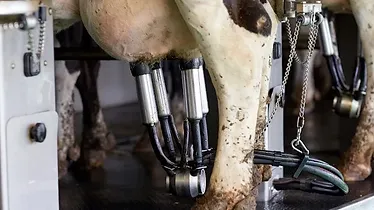
New Zealand’s Environment Court has ordered 167 dairy farms in the Horizons region to reduce nitrogen leaching by 20% within a strict compliance timeframe, ending a decade of regulatory uncertainty. Farms in the Whanganui, Manawatū-Rangitīkei and Tararua catchments must submit resource consent applications demonstrating how they will meet the targets under the Plan Change 2 framework. The ruling follows a long-running dispute triggered by changes to nutrient modelling that significantly increased estimated nitrogen losses. Farmers may need to reduce herd sizes, limit fertiliser use or alter milking practices, raising concerns about economic viability as they adapt to tougher environmental standards.
Read full story:Dairy News Today
Date Published: June 25, 2026
Ranchers Urge Swift Reopening of U.S.-Mexico Cattle Border Amid Screwworm Concerns
Ranchers from the United States and Mexico are calling for the reopening of cross-border cattle trade, warning that the 18-month closure has caused significant economic disruption on both sides of the border. Speaking during a Farm Press webinar, industry representatives highlighted the impact on cattle producers, transport operators, feed suppliers and beef prices, while noting the difficulties Mexican ranchers face in accessing alternative markets. Although both support continued efforts to control the New World screwworm outbreak, they stressed that trade and disease management must progress together. Wildlife remains a key concern for disease spread, while authorities continue surveillance and sterile fly release programmes to contain infections.
Read full story:Farm Progress
Date Published: June 25, 2026