South African News
Commercial ASF Outbreak Resolved but Biosecurity Remains Essential
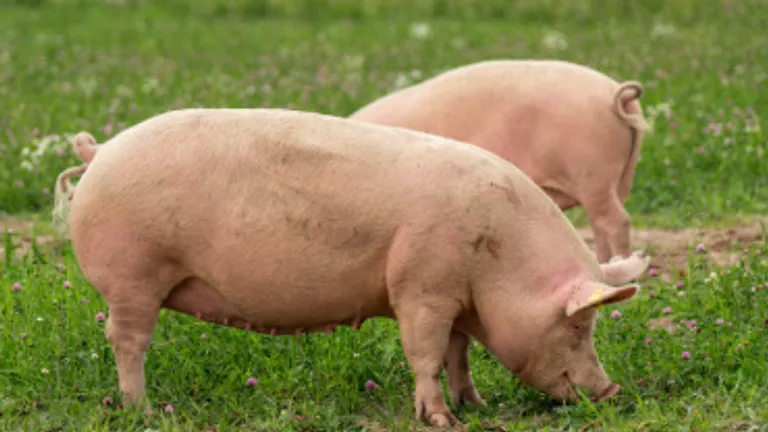
South Africa's largest recorded outbreak of African swine fever (ASF) in commercial pig farms has been successfully contained, with affected units north of Pretoria expected to return to full production within 12 to 18 months. However, the South African Pork Producers' Organisation (Sappo) has warned that ASF continues to threaten smaller and informal pig farming systems, where outbreaks can have severe financial consequences. Sappo says strong biosecurity remains the best defence against ASF and foot-and-mouth disease (FMD), while assuring consumers that pork sold through formal retail channels is safe to eat. The organisation expects pork prices to stabilise as local production and demand return to normal.
Read full story: Food For Mzansi
Date Published: August 3, 2026
Middle East Tensions Threaten Higher Costs for South African Farmers
Renewed conflict in the Middle East could increase pressure on South African agriculture by driving up fertiliser and fuel prices, disrupting global supply chains and reducing farm profitability ahead of the 2026/27 summer grain season. Agricultural economist Wandile Sihlobo says geopolitical events are becoming just as important as local weather conditions in shaping farming prospects. With commodity prices already under pressure, higher input costs could further squeeze producers and agribusinesses while creating wider concerns for regional food security. The discussion highlights the need for resilience and careful planning as farmers prepare for another uncertain production season.
Read full story: Farmer’s Weekly
Date Published: August 2, 2026
African News
Kenya Cuts Farm Input Costs to Protect Food Security
Kenya's government has announced measures to support farmers and protect national food security after below-average rainfall reduced crop production in key agricultural regions. President William Ruto said fertiliser and seed prices will be lowered to help farmers plant crops during the expected September and October rains. As a longer-term response to recurring drought, the government plans to expand irrigation through the construction of 50 mega dams, 200 medium dams and 1,000 micro dams funded by the National Infrastructure Fund. The measures aim to strengthen food production and improve resilience against future climate-related challenges.
Read full story: All Africa
Date Published: August 3, 2026
Global News
Europe Moves Closer to Widespread Use of Gene-Edited Crops
The European Union is preparing to relax rules governing certain gene-edited crops from 2028, allowing some plants developed using new genomic techniques such as CRISPR-Cas9 to be regulated in the same way as conventionally bred varieties. Researchers believe the technology could improve crop resilience to climate change, boost yields and reduce weather-related losses. However, gene-edited crops remain controversial, with concerns over environmental impacts, public acceptance and the growing influence of patents held by major agricultural companies. Scientists argue the technology offers significant benefits, while critics fear it could increase corporate control over seed development and farming.
Read full story: Euractiv
Date Published: August 3, 2026
Farmers Urge Tighter UK Controls on Brazilian Meat Imports
The Ulster Farmers' Union (UFU) has urged the UK Government to strengthen import controls amid concerns that Brazilian meat restricted by new European Union rules could be diverted to the UK market. From September, the EU will stop allowing certain Brazilian beef products due to concerns over antimicrobial controls and livestock traceability. The UFU is seeking assurances that imported beef, poultry and other animal products will meet UK standards, particularly regarding the use of growth-promoting hormones, which are banned in the UK. The union says robust import standards are essential to protect consumer confidence and ensure fair competition for British farmers.
Read full story: Thew Scottish Farmer
Date Published: August 3, 2026
Indonesia Tightens Sugar Import Rules to Boost Domestic Production
Indonesia has introduced stricter rules on refined sugar imports as part of efforts to revive its struggling sugar industry, protect millions of sugarcane farmers and achieve sugar self-sufficiency within two years. Importing companies will now be required to invest in developing domestic sugarcane plantations, while existing regulations requiring processors to source at least 20% of their raw material from their own plantations will be more strictly enforced. The measures follow falling sugar prices, heavy financial losses for state-owned sugar companies and delayed payments to farmers, leaving an estimated 1.6 million tonnes of sugar unsold in warehouses.
Read full story: Dai Bieu nhan dan
Date Published: August 3, 2026
India Aims to Become a Global Strawberry Powerhouse
India is investing in research, technology and innovative farming methods to strengthen its strawberry industry and reduce reliance on imported plant varieties. Most of the country's strawberries are grown in Mahabaleshwar, where farmers face rising climate risks, including heavy rainfall that can destroy crops. Researchers are developing India's first home-grown, climate-resilient strawberry variety, while larger growers are adopting hydroponics, artificial intelligence and vertical farming to improve yields and extend production throughout the year. Smaller farmers are also finding new ways to increase profits, including selling directly to visitors and promoting their farms through social media.
Read full story: Aki Press
Date Published: August 3, 2026