
South African News
Western Cape Farmers Face 15% Cut in Irrigation Water Allocations
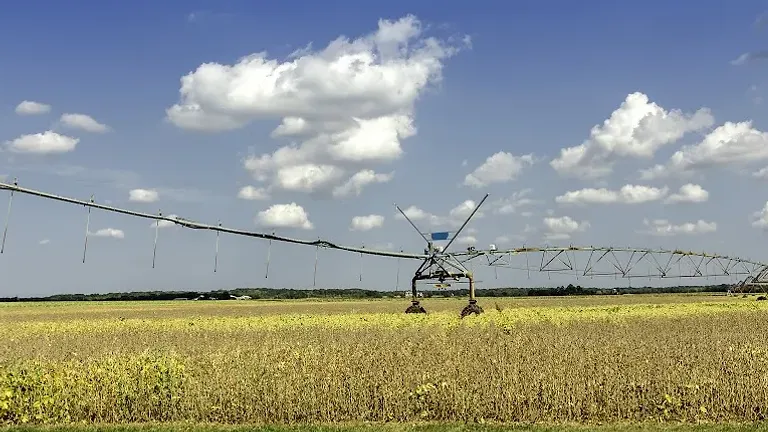
Farmers supplied by the Western Cape Water Supply System (WCWSS) face a 15% reduction in irrigation water allocations as authorities introduce precautionary measures to prevent future shortages. Agri Western Cape warned that agriculture would bear the greatest burden, potentially affecting production, exports and 250 000 permanent jobs. Dam levels stood at 72,5% in early November, down from 84,4% a year earlier, following below-average winter rainfall. Forecasts of strong to extreme El Niño conditions have raised further concerns about water availability from 2027. The organisation has also called for urgent action to address municipal water losses.
Read full story: Farmers Weekly
Date Published: November 22, 2026
Global Market Uncertainty Poses Challenges and Opportunities for SA Agriculture In 2027
South African agriculture faces another challenging year in 2027 as geopolitical conflicts, volatile energy prices, unpredictable weather and changing trade policies threaten to increase production costs and disrupt supply chains. Higher diesel, fertiliser, transport and financing costs could place further pressure on farmers, while water security and climate risks remain key concerns. Global commodity markets present a mixed outlook, with tighter wheat and sugar supplies potentially supporting prices, while comfortable maize supplies and expected coffee surpluses could exert downward pressure. The outlook highlights the need for improved infrastructure, market access, financial planning and resource efficiency to strengthen the sector's competitiveness.
Read full story: Farming Portal
Date Published: November 21, 2026
African News
Tanzania And Zimbabwe Seek to Strengthen Agricultural Trade Partnerships
A visiting Tanzanian delegation has expressed interest in expanding agricultural trade and knowledge-sharing partnerships with Zimbabwe to improve regional food security and farmer incomes. During a visit to Chipunza Farm, the delegation examined its blueberry production, export facilities, irrigation systems and renewable energy infrastructure. Tanzania is looking to share its cereal production capacity, particularly rice, while Zimbabwe could offer opportunities in wheat and blueberry production. Officials highlighted the potential for mutually beneficial commercial partnerships, with both countries seeking to build on existing agricultural strengths and expand trade beyond political relationships.
Read full story: The Herald
Date Published: November 19, 2026
Global News
Mexico To Remove 95% Of Remaining Agricultural Tariffs on EU Imports
Mexico plans to eliminate approximately 95% of its remaining high tariffs on agricultural and food imports from the European Union under a modernised trade agreement, opening up new export opportunities for European producers. Dairy, pork, poultry, olive oil and processed food sectors are expected to benefit, with duties of up to 45% on certain cheeses and pork products removed and poultry tariffs also reduced. The agreement will additionally protect 568 European geographical indications. However, exporters may still face administrative, labelling and sanitary requirements. The deal could enter into force by the end of 2026.
Read full story: Ukr Agro Consult
Date Published: November 20, 2026
UK-EU Agricultural Trade Deal Welcomed Amid Concerns Over Long-Term Implications
Farming and food industry groups have welcomed a new UK-EU sanitary and phytosanitary (SPS) agreement aimed at reducing border checks, delays and export costs, potentially helping to rebuild agricultural trade with Europe. However, organisations including the CLA, NFU and AHDB have warned that closer regulatory alignment could limit the UK's flexibility over future farming rules and affect agricultural innovation. Meat exporters have also raised concerns about delays, with implementation reportedly scheduled for March 2028. Food manufacturers have called for clear guidance and sufficient transition periods to adapt supply chains, products and labelling to EU requirements.
Read full story: Farmers Guide
Date Published: November 20, 2026
Malaysian Palm Oil Producers Face Renewed Migrant Worker Shortage
Malaysian oil palm plantations are facing growing migrant worker shortages, with the sector reportedly short of 30,000 workers. Delays in recruitment and approval processes could disrupt fresh fruit bunch (FFB) harvesting, resulting in crop losses, reduced production and lower export earnings. Industry representatives warn that shortages could become critical by March or April 2027, drawing comparisons with the Covid-19 lockdown, when labour shortages contributed to annual losses estimated at RM1 billion. Although mechanisation and technical training programmes could reduce reliance on foreign workers, high investment costs and limited harvesting automation mean migrant labour remains essential.
Read full story: The Edge Malaysia
Date Published: November 19, 2026
Carbon Credit Schemes Create New Opportunities and Concerns for Australian Farmers
Carbon credit schemes are driving changes in Australian agriculture, with investment companies purchasing large rural properties for tree-planting and carbon offset projects. The sales of two major properties, Rushy Lagoon in Tasmania and Cobungra Station in Victoria, have raised concerns about reduced agricultural production, rural employment and increased bushfire risks. However, proponents argue that carbon projects can generate new income streams while supporting environmental restoration. Plans include planting millions of trees, with some projects combining open woodland and cattle grazing to improve pasture productivity. Analysts estimate that around 3 million hectares of Australian farmland could be suitable for carbon projects.
Read full story: ABC News
Date Published: November 20, 2026