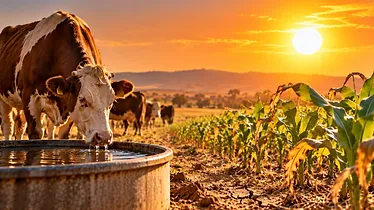

South Africa is a semi-arid country with highly variable rainfall. Although the number of rain days has remained fairly constant over the past century (2), the southern African region is particularly prone to drought. This can have a dramatic effect on farm yields and productivity and put water sources under immense pressure. But there are things that can be done to improve water efficiency on farmland and prepare farms for erratic rainfall.
So, how can you make the most of water when rainfall becomes less predictable?
Assess your water supply
It is crucial to know how much water your farm uses and how much is available. Mapping existing water sources and infrastructure can provide a clear understanding of what is available and identify unreliable sources, allowing you to plan for periods of reduced supply.
Keep records of water use across different farming activities and compare this with available supplies5. This can help identify where the greatest demands occur and where water savings could be made. Farmers should also consider how water availability changes throughout the year rather than relying on annual averages. Knowing when supplies are likely to be under greatest pressure allows irrigation, livestock and other water requirements to be prioritised before shortages occur5. Where possible, having alternative water sources or backup supplies can provide additional security during prolonged dry periods.
Make the most of rainfall
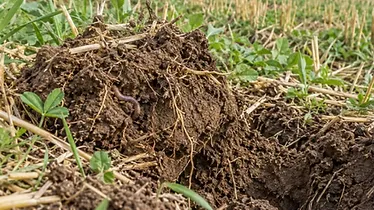
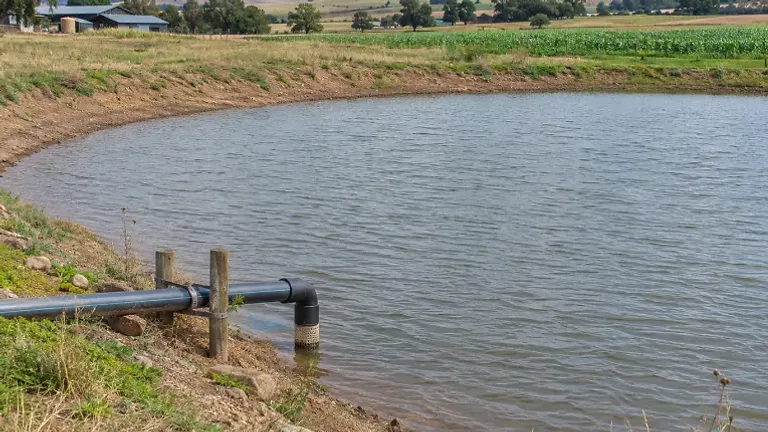
When heavy rain arrives, it is important to retain water for drier times. Water can be lost through run-off, evaporation or drainage. Capturing rainwater in storage tanks and using suitable micro-catchments or in-situ water-harvesting techniques can improve water availability in the crop root zone (6). Part 3 of this series highlighted the role of healthy soils in managing water flow through fields. Healthy, well-aerated soils absorb and retain moisture while reducing run-off and nutrient losses.
Maintaining your water storage infrastructure such as storage tanks and piping can reduce water lost through leaks and excessive evaporation. Checking your capacity before the dry season will allow you to plan ahead.
Use water-smart irrigation techniques
Water-smart farming incorporates practices such as cover cropping, carefully managed irrigation and planting drought-tolerant varieties (7). Monitoring pipes and tanks for leaks can prevent unnecessary losses, while remote sensors can help detect and report leaks and save labour.
Matching irrigation to crop requirements can save water without sacrificing yields (8). Measuring soil moisture, recording recent rainfall, checking forecasts and watering according to crop growth stage can help limit water use and prepare you for what is coming.
Low-consumption watering techniques include drip irrigation and well-managed sprinkler systems; however, considerable human management is required during their operation. Improvements in technology can integrate artificial intelligence with these systems to reduce labour and save water. These systems monitor the soil moisture and crop demand and only administer water when necessary and at optimal times of day9.
Protect water quality
Monitoring and testing water quality helps assess nutrient levels and suitability for livestock. Protecting water quality on the farm and in surrounding sources benefits the environment, local ecosystems and farmland. Planting buffer strips along rivers and streams can reduce the movement of chemicals and nutrients from the land (10). Cover crops and less bare soil help limit erosion and improve infiltration (10).
Plan for drought
Understanding the drought risk and having a comprehensive drought plan in place can alleviate some pressure during limited rainfall. If water sources are shared with neighbours, plan with them to avoid extra pressure on the water supply and prioritise water for the most vulnerable or profitable crops and livestock11.
Preparation checklist (11):
Slow the flow – restore leaky dams, create buffers, strategically plant trees and hedges.
Improve soil health – optimise soil organic matter, maintain soil cover, avoid compaction and poaching.
Increase natural water storage – maintain wetlands and suitable ponds.
Improve water use efficiency – check pumps, pipes and irrigation systems.
Monitoring checklist:
Keep records of rainfall and water use
Monitor dam/reservoir levels
Track irrigation volumes and crop performance
Use weather forecasts to inform decisions
Review what worked after dry or exceptionally wet periods
Adjust water-management strategies over time
Make every drop count
There are many ways to make every drop of water count when rainfall is infrequent or unpredictable. Short-term preparation includes maintaining water storage and irrigation systems and using suitable localised rainwater-harvesting techniques. Longer-term adaptations include improving soil health and structure and investing in water-smart irrigation.
Understanding how your farm performs under environmental stress can help you to prepare for the next period of dry weather. Recording farm performance during previous dry spells and adjusting strategies accordingly can make the farm more resilient to unpredictable weather in the future.