

South African News
SA’s citrus and table grape exports face mounting risks heading into 2027
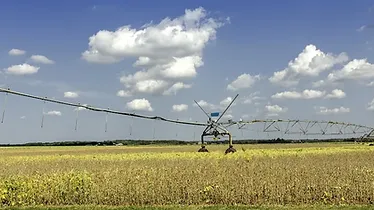
South Africa’s citrus and table grape industries face growing challenges from port constraints, disease and increasingly unpredictable weather as they head into 2027. The Citrus Growers Association has lowered its 2026 export forecast to 201 million 15kg cartons, 1.5% below last year’s volume. Table grape exports are also expected to decline by 4%, although volumes remain above the five-year average. Together, these industries accounted for 24% of South Africa’s agricultural exports in 2025. Looking ahead, the anticipated El Niño drought, rising temperatures and disrupted rainfall patterns could undermine production, although improved dam levels may offer some protection.
Read full story: Daily Maverick
Date published: November 23, 2026
Communal feedlots could protect SA’s smallholder cattle farmers from super El Niño
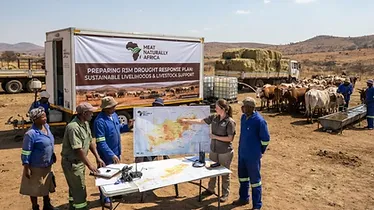
South Africa’s smallholder cattle farmers are being urged to establish communal feedlots ahead of the predicted super El Niño, which threatens severe drought and heat stress. Shared facilities equipped with shade, water tanks and supplementary feed could protect livestock, preserve market value and allow overgrazed communal rangelands to recover. Research found that providing shade and water-cooling reduced heat stress, increased daily cattle weight gain by 18% and improved feed efficiency by 12%. The researchers recommend government funding, agricultural training, solar-powered water systems and index insurance to help vulnerable farmers prepare for the coming climate crisis.
Read full story: The Conversation
Date published: November 23, 2026
African News
Nigeria must strengthen smallholder farming to feed projected 400 million population
Nigeria needs to move beyond short-term food imports and price controls towards strengthening domestic agricultural production to meet the needs of a population expected to reach 400 million by 2050. Agriculture contributes around 25% of GDP and employs 35–40% of the workforce, with smallholders accounting for 88% of the farming population. However, almost 35 million Nigerians face food insecurity. Improving farmers’ access to finance, quality inputs, training, technology and markets could boost productivity, increase household incomes and strengthen rural economies. Greater coordination between government, financial institutions and development organisations will be essential.
Read full story: The Nation
Date published: November 24, 2026
Global News
EU and Mexico advance fruit and vegetable market access
The European Union and Mexico have agreed to advance sanitary and phytosanitary measures to improve agricultural market access and streamline trade procedures. Discussions focused on market access for Italian apples, Greek kiwifruit and Portuguese chilli peppers, alongside greater regulatory transparency and cooperation between agricultural authorities. Both sides also plan to develop a roadmap in early 2027 towards potential equivalence arrangements for organic products, which could reduce administrative requirements. Further cooperation will address agricultural water management, including irrigation efficiency and water retention. The agreements form part of efforts to strengthen agricultural trade under the modernised EU-Mexico trade framework.
Read full story: FreshPlaza
Date published: November 23, 2026
Thailand introduces stricter durian export rules to protect multibillion-dollar Chinese trade
Thailand and China have agreed on a new sanitation protocol for Thai durian exports to strengthen food safety controls, improve traceability and reduce the risk of shipments being rejected at Chinese borders. More than 90% of Thailand’s durian exports go to China, with shipments reaching US$5.2 billion in value during the first 10 months of 2026. The new rules require fresh durians to be traceable throughout the supply chain, with greater consistency in documentation and labelling. The measures follow concerns over cadmium contamination and aim to protect consumer confidence and the livelihoods of Thai growers and exporters.
Read full story: South China Morning Post
Date published: November 24, 2026
Dairy farm tour highlights New Zealand farming practices for Australian producers
A Rabobank-hosted eight-day dairy farm tour has given 24 Australian farmers and three New Zealand producers fresh insights into different farming systems, technologies and staff development practices. Visits across Southland, Otago, Canterbury and the Waikato highlighted the importance of investing in employee training and creating career opportunities to strengthen the dairy workforce. Participants also gained ideas for improving their own businesses through exposure to different production approaches and farm management systems. The tour provided opportunities for knowledge sharing, networking and collaboration between farmers from both countries.
Read full story: Farmers Weekly
Date published: November 24, 2026
Goat farming offers Nepali farmer a profitable alternative to overseas employment
A farmer in Nepal’s Banke district has built a successful goat farming business after abandoning plans to seek employment in Saudi Arabia. Dambar Budhakshetri now rears more than 60 local Khari goats and has earned around Rs300,000 over the past two years, helping him repay debts and cover his family’s living and education costs. He expects earnings to exceed Rs500,000 this year and plans to expand his breeding herd. With reliable market access through a local cooperative, his experience highlights the potential of small-scale livestock farming to support rural livelihoods and reduce reliance on foreign employment.
Read full story: The Rising Nepal
Date published: November 24, 2026