
South African News
Tongaat Hulett halts milling season early as grower payments remain uncertain
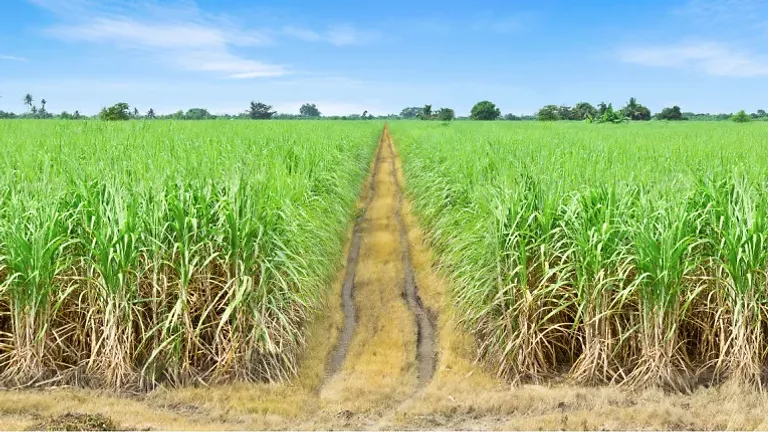
Tongaat Hulett Limited (THL) has prematurely ended its sugar milling season amid uncertainty over R350 million in urgently needed funding, leaving thousands of KwaZulu-Natal growers facing unpaid deliveries and potentially unharvested cane. The company has instructed growers to stop further deliveries from 25 November and cannot confirm when or how much they will be paid. Around 18 000 of South Africa’s 28 000 sugar cane growers supply THL’s mills, most of them small-scale farmers with no alternative processing facilities. SA Canegrowers has called for urgent intervention, warning that prolonged disruption could threaten rural livelihoods, jobs and the wider domestic sugar industry.
Read full story: Farmer’s Weekly
Date published: November 26, 2026
South African farmers face port delays and uncertain festive season markets
South African agriculture is facing several challenges as port congestion, changing farming practices and cautious consumer spending shape the outlook for the sector. Transnet is introducing measures to ease a container backlog at Durban’s Gateway Terminal, where vessel delays reached 14–20 days, although no clearance deadline has been provided. Meanwhile, agricultural experts at the SADC Plant Nutrition Symposium highlighted the importance of soil health, nutrient efficiency and profitability in successful farming. Producers also face an uncertain festive season, with financially constrained consumers, import competition and difficult weather conditions potentially affecting demand, supply and prices.
Read full story: Algoa FM
Date published: November 26, 2026
African News
Nigerian farmer calls for stricter food safety controls and improved traceability
Pineapple farmer Segun Alabi has urged the Nigerian government to strengthen oversight of agricultural production and food processing to protect consumers from potentially harmful chemical residues. He highlighted inadequate traceability and poor quality-control practices as major food safety concerns, stressing that produce should be traceable from farms through processing facilities to consumers. Alabi argued that consumers cannot be expected to independently test the safety of purchased food. His company, Davidorlah Nigeria Limited, has recently conducted laboratory tests on its pineapple produce to assess chemical residues as part of its efforts to obtain organic production certification.
Read full story: The Guardian Nigeria
Date published: November 27, 2026
Global News
Canadian cannabis farm receipts surpass greenhouse vegetables and fresh fruit in third quarter
Canada’s cannabis farm receipts reached C$855 million in the third quarter of 2026, a 31.9% increase compared with the same period in 2025, according to preliminary Statistics Canada figures. The sector’s January–September receipts totalled C$2.255 billion, up 16.7% year on year. Cannabis revenue exceeded that of fresh greenhouse vegetables (C$653 million) and fresh fruit (C$848 million) during the quarter, although floriculture, nursery and sod remained slightly ahead at C$872 million. Cannabis accounted for 5.6% of total crop receipts, which increased by 27.3% to C$15.2 billion.
Read full story: HortiDaily
Date published: November 26, 2026
Precision irrigation helps Indian farmers reduce costs and diversify into higher-value crops
Precision irrigation and fertigation are helping Indian farmers manage increasingly erratic rainfall, reduce input costs and improve crop yields and quality. Drip irrigation can save 30–50% of water, while fertigation can reduce fertiliser use by 20–40% through more targeted nutrient application. In North Karnataka, farmers are using these technologies to move from traditional rain-fed crops into higher-value produce, with some projects reporting yield improvements of 25–40%. One Mexican bean project achieved yields of 3.33 tonnes/ha, compared with 1.47 tonnes under flood irrigation. However, initial investment costs and access to technical support remain barriers to wider adoption.
Read full story: FreshPlaza
Date published: November 26, 2026
Japan increasingly recruits South Asian workers to address agricultural labour shortages
Japan is increasingly turning to Bangladesh, Nepal and other South Asian countries to address persistent agricultural labour shortages caused by an ageing population. The number of foreign skilled agricultural workers rose 26% year on year to 44,050 in June 2026, with Bangladeshi workers increasing by 127% to 334. A Tokyo-based training company, Mirai, has secured agricultural job placements for its first two Bangladeshi candidates, who will work on a farm in Aomori Prefecture. Rising wages in Southeast Asia are making recruitment from traditional labour sources more challenging, creating new opportunities for South Asian workers.
Read full story: The Daily Star
Date published: November 23, 2026
Russian agricultural exports to China reach record levels amid improving US-China trade relations
Russia’s agricultural exports to China are reaching record levels, with sales of rapeseed oil, crab and frozen pollock each exceeding US$1 billion in the first 10 months of 2026. China imported almost US$8 billion worth of Russian agricultural products between January and September, a 42% year-on-year increase, as both countries seek to diversify trade and strengthen food security. However, analysts say Russian supplies cannot replace key US exports, particularly genetically modified soybeans. The growth comes as Beijing and Washington work to stabilise agricultural trade through tariff reductions and increased purchasing commitments.
Read full story: South China Morning Post
Date published: November 26, 2026